
Thailand Unlocks Direct Green Power Deals to Modernise Grid
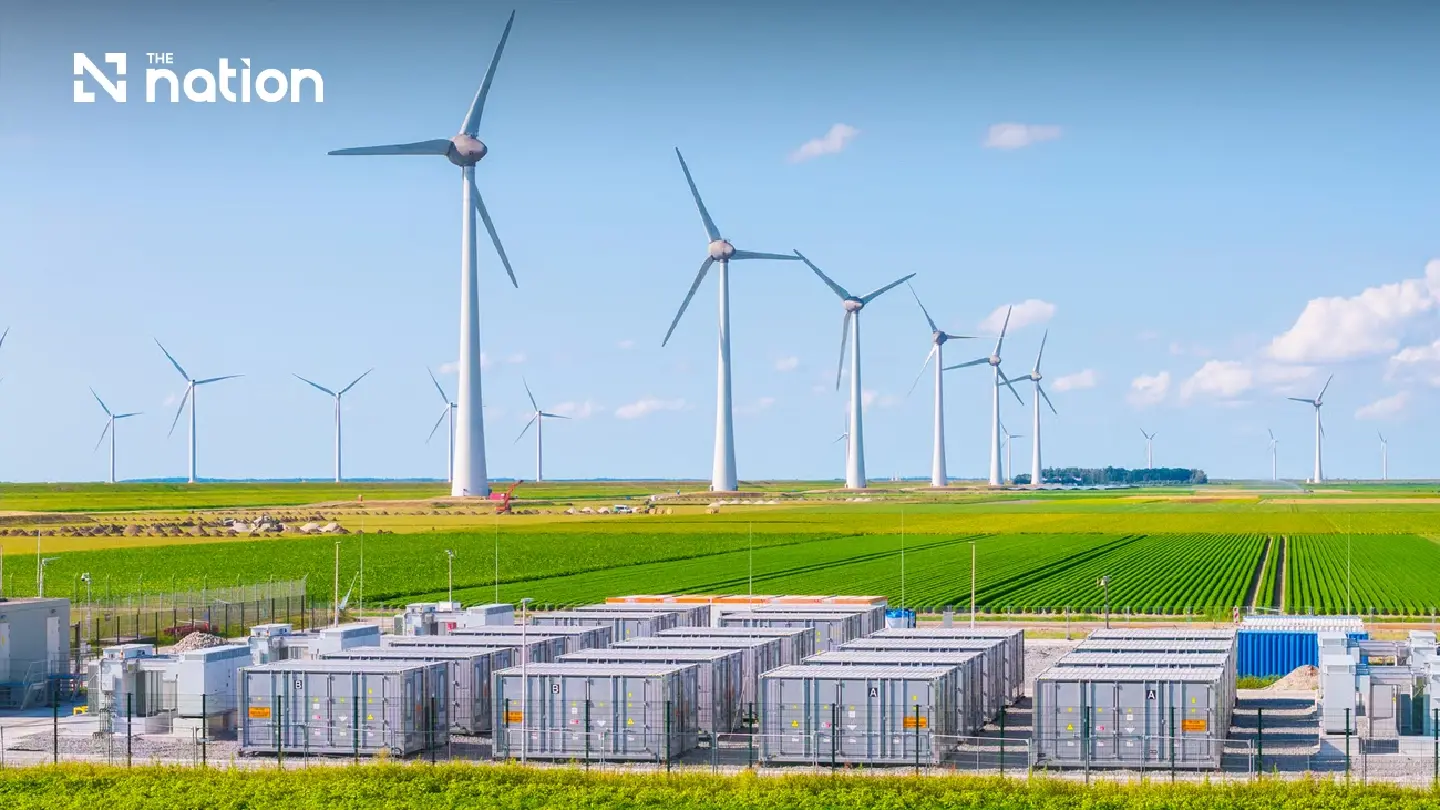


State agencies and energy policy experts back market liberalisation, warning that failure to modernise the national grid risks economic losses
- Thailand is liberalising its energy market by allowing all industrial sectors to purchase renewable energy directly from private generators through Direct Power Purchase Agreements (PPAs).
- This policy shift is central to the new Power Development Plan (PDP 2026), which aims to modernize the grid and increase the share of clean energy to at least 65%.
- The direct deals will be enabled by a regulated fee, or "wheeling charge," allowing companies to use state-owned transmission networks to transport their purchased green power.
- To support this decentralised model, the national grid is being upgraded with smart technologies, including large-scale battery storage, AI forecasting, and advanced metering, to manage renewable energy variability.
State agencies and energy policy experts back market liberalisation, warning that failure to modernise the national grid risks economic losses.
State energy agencies and policy experts have outlined a series of systemic reforms to modernise Thailand’s national power grid, refine the upcoming Power Development Plan (PDP 2026), and transition away from legacy utility structures.
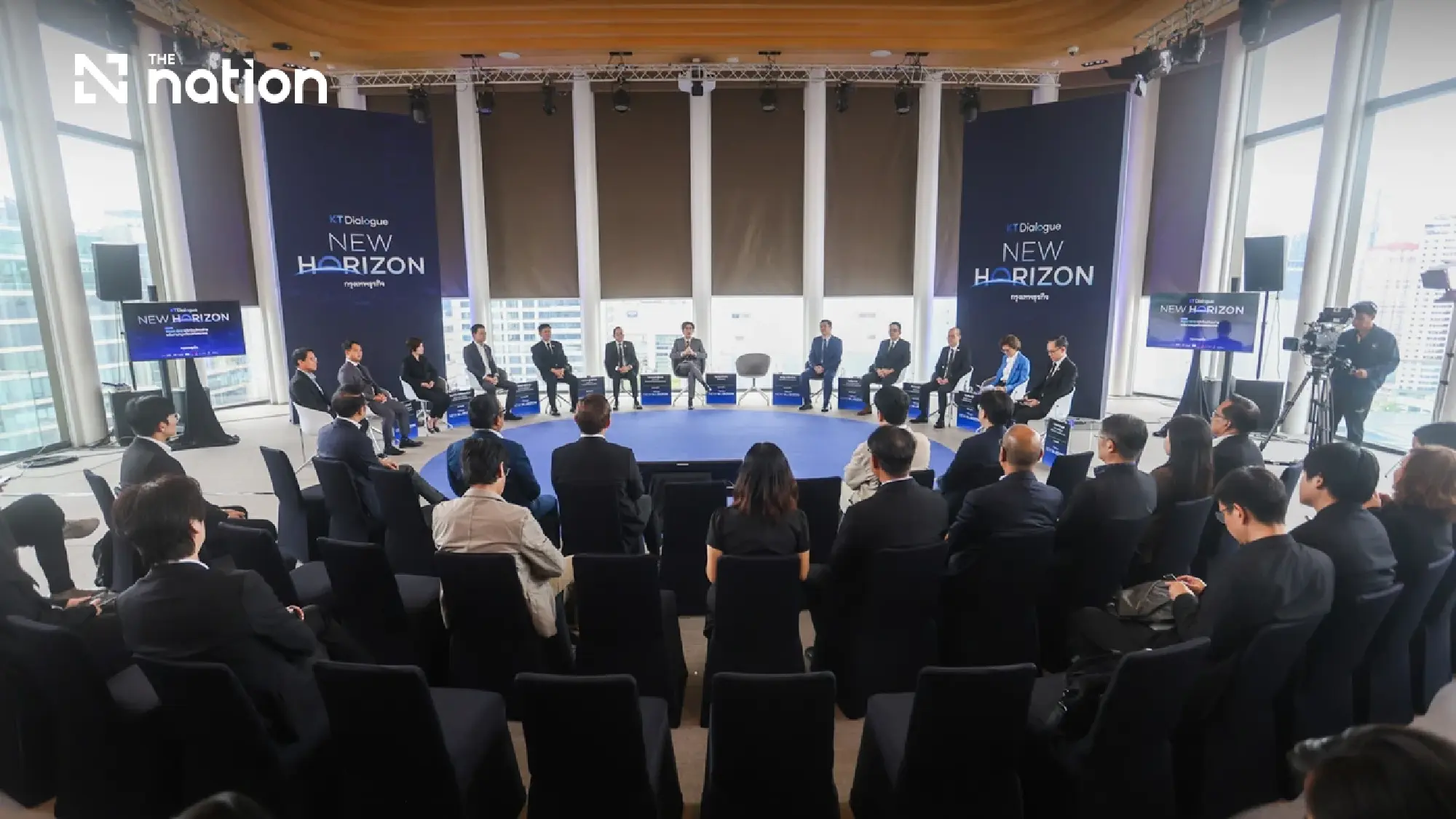
Speaking at the KT Dialogue: Smart Grid forum hosted by Krungthep Turakij on Friday, key officials and researchers highlighted a decisive shift from the traditional Enhanced Single Buyer model towards a decentralised, smart-grid-enabled power market.
The strategy aims to secure the nation's industrial competitiveness as global carbon tariffs and strict supply-chain requirements intensify.

Dismantling Barriers: Direct PPAs for All Industries
In a major policy expansion, the government is moving to dismantle grid access barriers. While previous trials restricted Direct Power Purchase Agreements (Direct PPAs) to a 2,000-megawatt (MW) sandbox exclusively for data centres, Wattanapong Kurovat, Director of the Energy Policy and Planning Office (EPPO), confirmed that Direct PPAs are being opened to all industrial sectors.
This shift allows export-focused manufacturers to purchase clean energy directly from private generators and wheel it through state-owned transmission networks by paying a regulated Third-Party Access (TPA) charge.
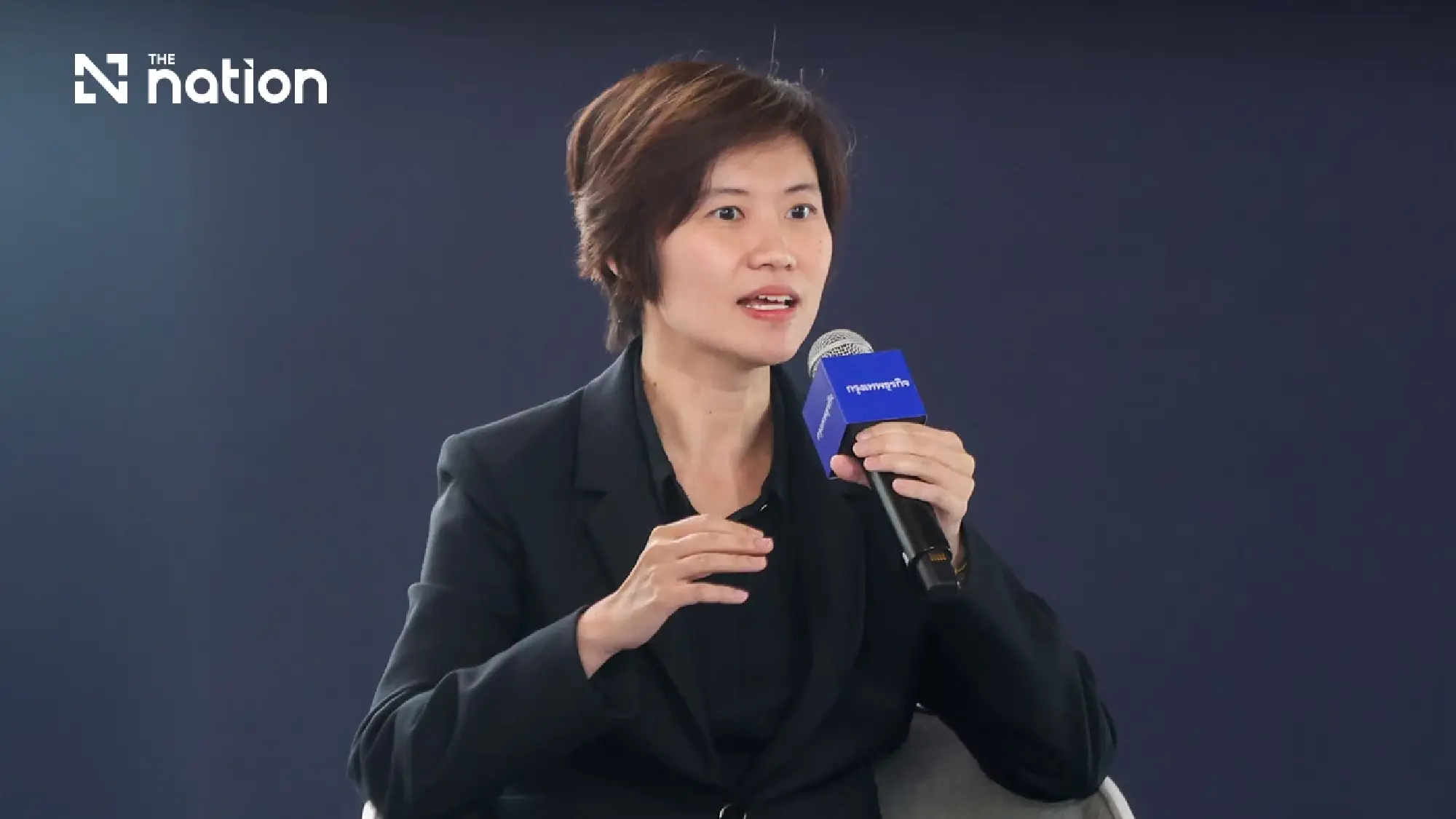
Dr Areeporn Asawinpongphan, Energy Policy Researcher at the Thailand Development Research Institute (TDRI), stressed the critical necessity of this shift.
She noted that while Thailand enjoys strong grid reliability and competitive electricity pricing relative to regional neighbours, its primary disadvantage remains a low proportion of clean energy—a bottleneck she attributed directly to the legacy single-buyer model.
Dr Areeporn urged regulators to finalise TPA wheeling charges without delay.
"If we can finalise these regulations this year, we will see actual Direct PPAs emerge next year," she noted, emphasising that the broader manufacturing sector is urgently waiting for these options to preserve its global market edge.
Kan Saengruang, Deputy Secretary-General of the Energy Regulatory Commission (ERC), confirmed that the regulator is actively balancing grid security against cost-reflective TPA rates to ensure legacy infrastructure costs are not unfairly shifted onto general consumers.
PDP 2026: A Blueprint for 65% Clean Energy
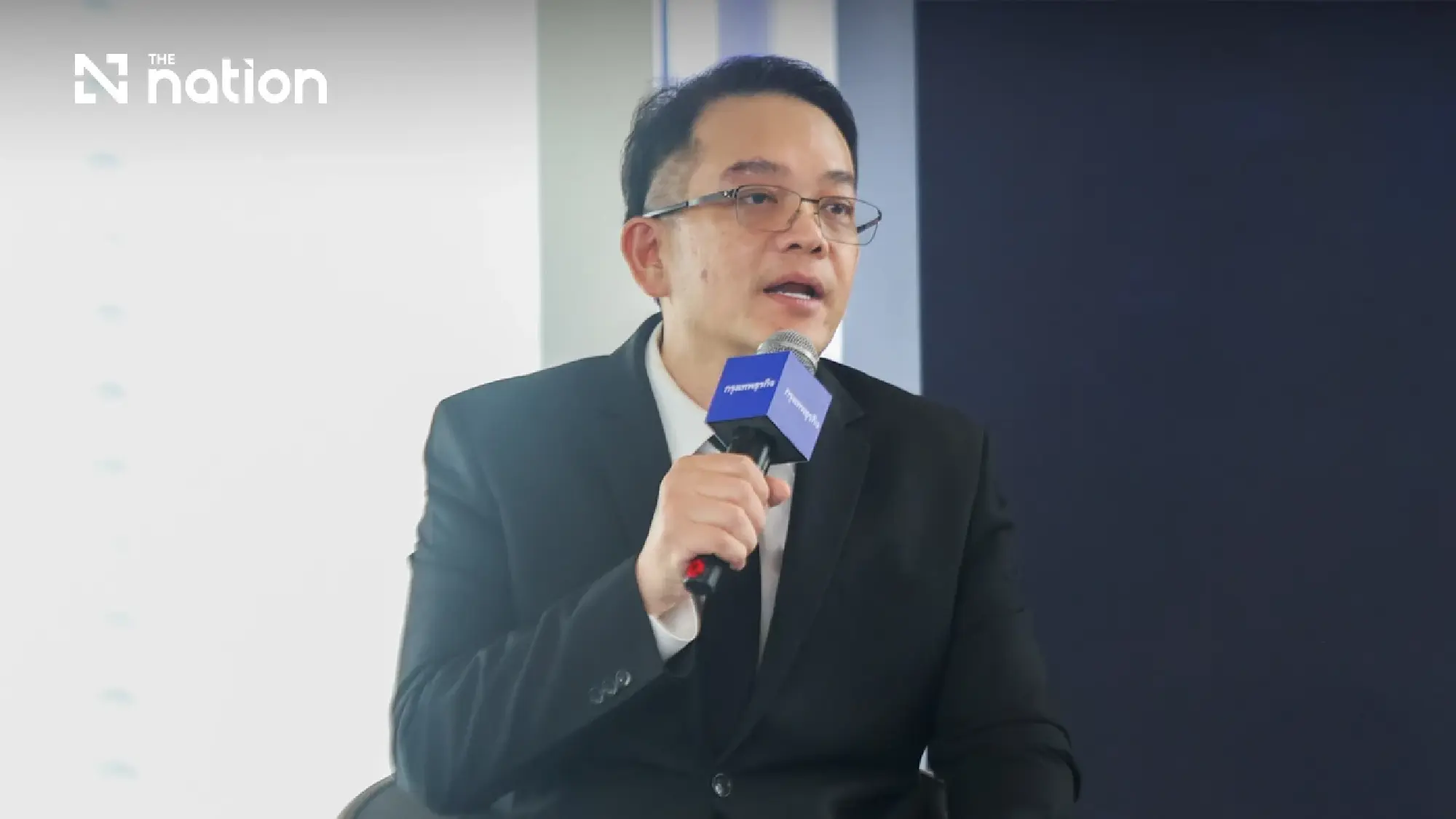
The market liberalisation aligns directly with the draft PDP 2026. EPPO Director Wattanapong revealed that the new roadmap is significantly more complex than previous iterations, shifting focus from simple fuel procurement to aggressive carbon reduction.
Under the draft plan, clean energy will constitute at least 65 per cent of Thailand's power generation mix, combining biomass, biogas, waste-to-energy, solar, and wind.
To offset the variable nature of solar and wind generation, PDP 2026 will integrate utility-scale Battery Energy Storage Systems (BESS) to guarantee baseline grid stability comparable to conventional gas-fired plants.
Crucially, the blueprint formally incorporates Distributed Energy Resources (DERs)—including residential solar panels, electric vehicles, and localised batteries.
These decentralised assets can be aggregated into Virtual Power Plants (VPPs) to deliver up to 14,000 MW of virtual capacity, eliminating the immediate need to construct physical base-load power stations.
The 'Cost of Inaction' and Smart Grid Infrastructure
While modernising national infrastructure requires substantial capital, TDRI's Areeporn cautioned against focusing solely on upfront expenditure, urging decision-makers to weigh the severe "cost of inaction".
She warned that if Thailand delays smart grid investments while global decarbonisation pressures build, the country faces massive economic losses driven by expensive backup fossil-fuel plants, volatile fuel imports, and diminished export competitiveness.
Dr Areeporn outlined that managing a decentralised, weather-dependent grid requires a smart grid framework anchored by four essential pillars:
• Forecasting: Predicting volatile renewable generation and demand fluctuations.
• Measurement: Recording real-time power generation down to localised regional levels.
• Control: Actively managing and balancing electricity flows to maintain system stability.
• Observation: Maintaining continuous system visibility to prevent localised grid failures.
She called for a fair pricing structure where grid modernisation costs are shared proportionally, ensuring that commercial entities benefiting most from green power contribute equitably to the physical infrastructure.
Overcoming Technical Volatility and Grid 'Invisibility'
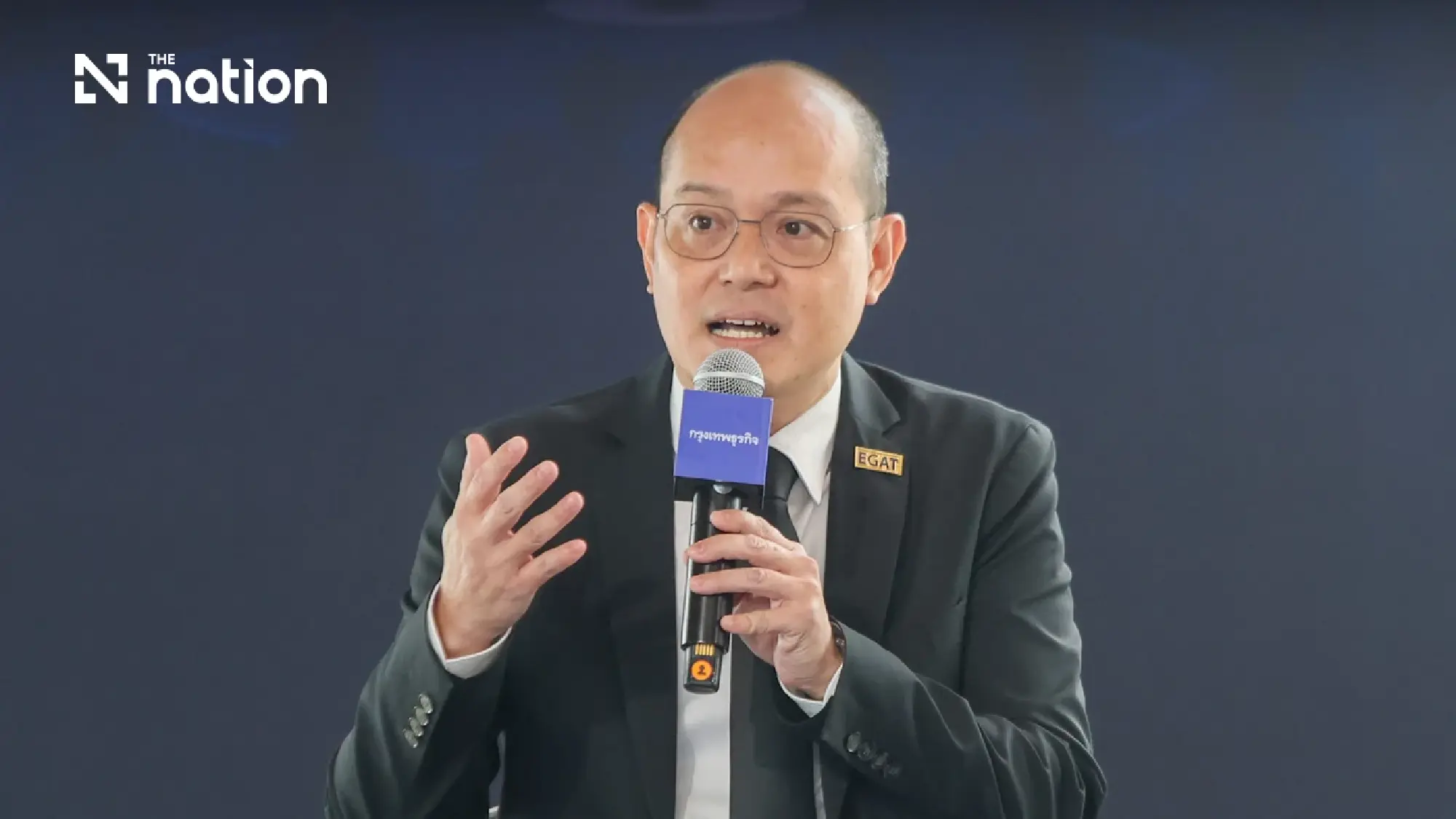
The technical urgency of upgrading grid management was reinforced by state utility operators. Jakgree Sirimaneewattana, Assistant Governor of the Electricity Generating Authority of Thailand (EGAT), explained that bi-directional power flows from residential "prosumers" are creating reverse power flows, destabilising voltage as power pushes back from distribution networks into the high-voltage transmission system.
To maintain system quality, EGAT is deploying artificial intelligence forecasting models to predict renewable output and is constructing a specialised smart control centre scheduled to open in 2028.
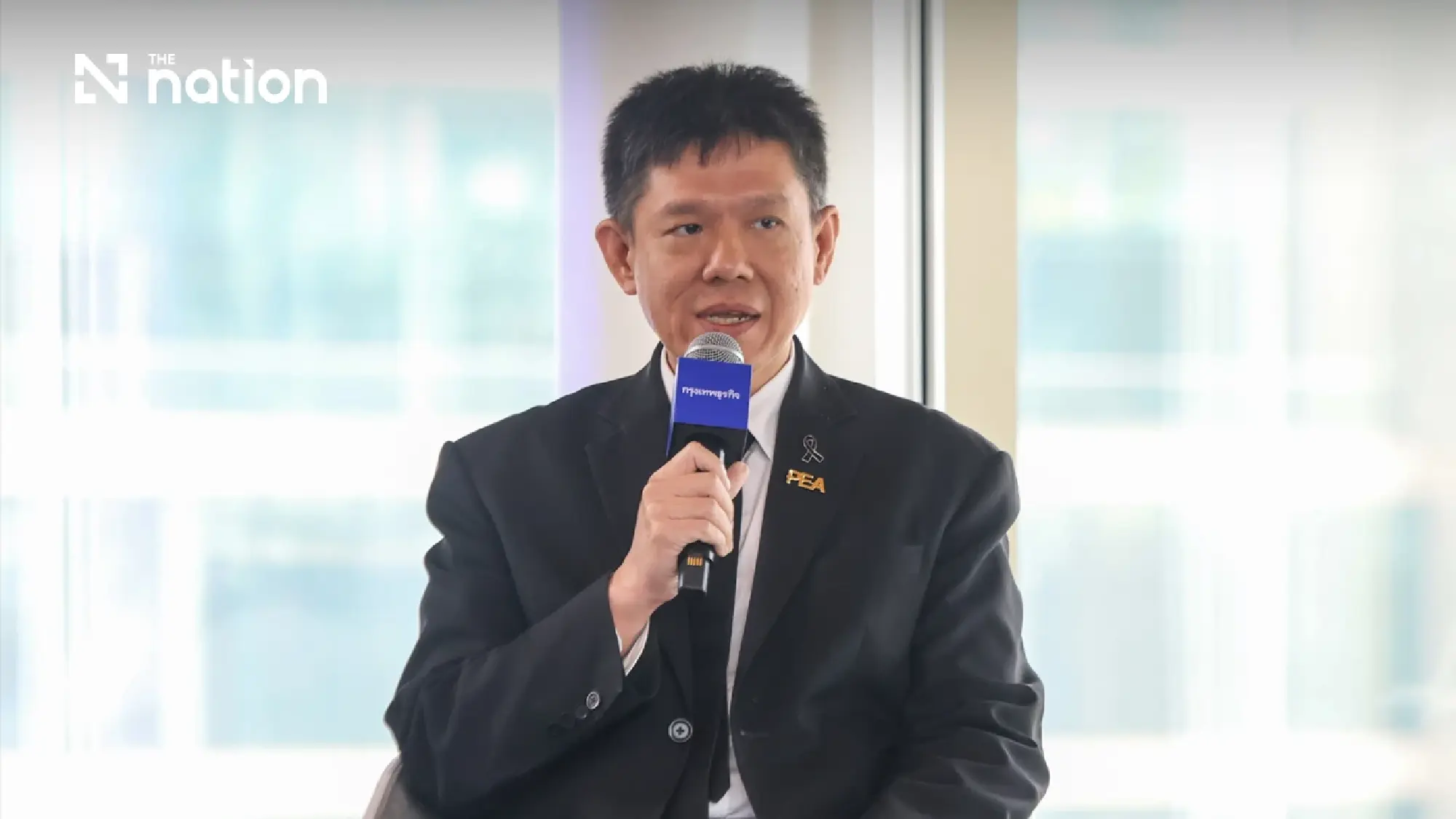
On the distribution front, Pongsakorn Yuthagovit, Deputy Governor of the Provincial Electricity Authority (PEA), highlighted the challenge of grid "invisibility".
Without granular, localised data, balancing peak daytime solar generation against heavy evening EV charging becomes exceptionally difficult.
To restore network visibility, PEA is accelerating the rollout of Advanced Metering Infrastructure (AMI) and smart sensors nationwide. Both EGAT and PEA leaders concluded that flexible Time-of-Use (TOU) pricing will be vital to signal to consumers when to store energy, draw from the grid, or feed surplus power back into the network.
