
Thailand orders crackdown on island mafia and nominee businesses
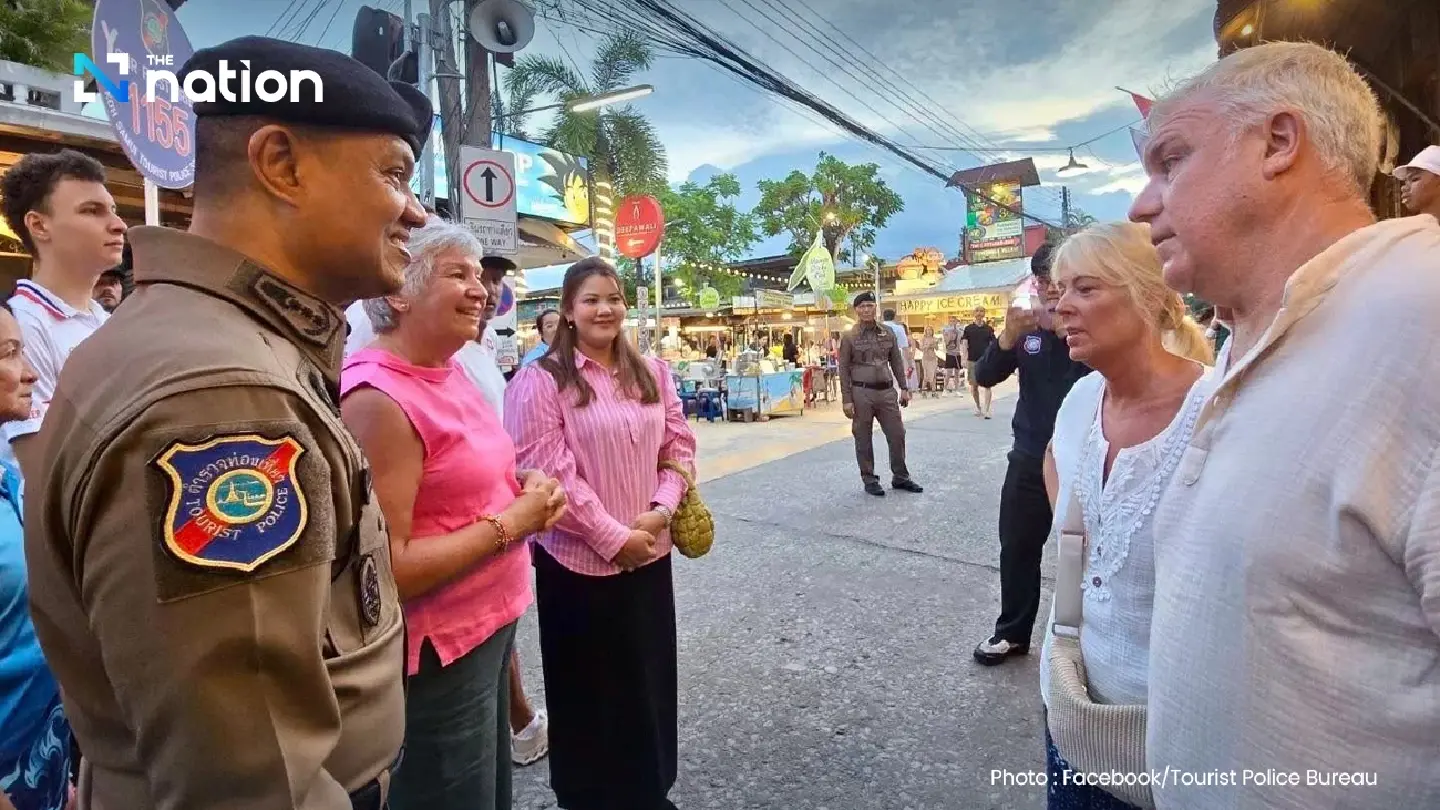


Tourism minister Surasak vows tougher action on island operators, nominee businesses and officials linked to mafia networks.
The tourism minister has joined forces with the Interior Ministry and Tourist Police to regulate operators on popular islands, warning that officials linked to mafia networks will face action, while nominee businesses will also be targeted to ensure tourism revenue stays in Thailand.
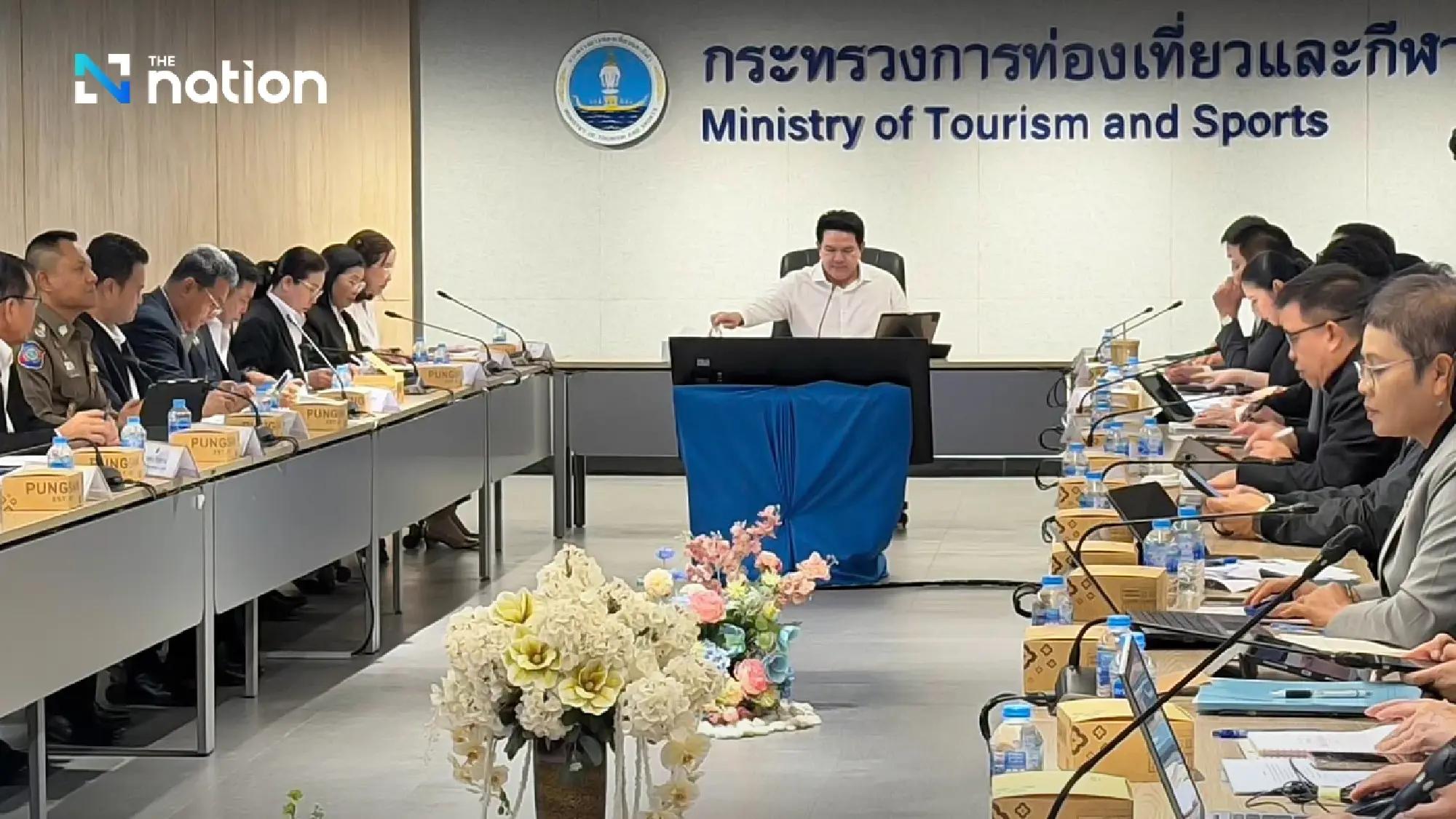
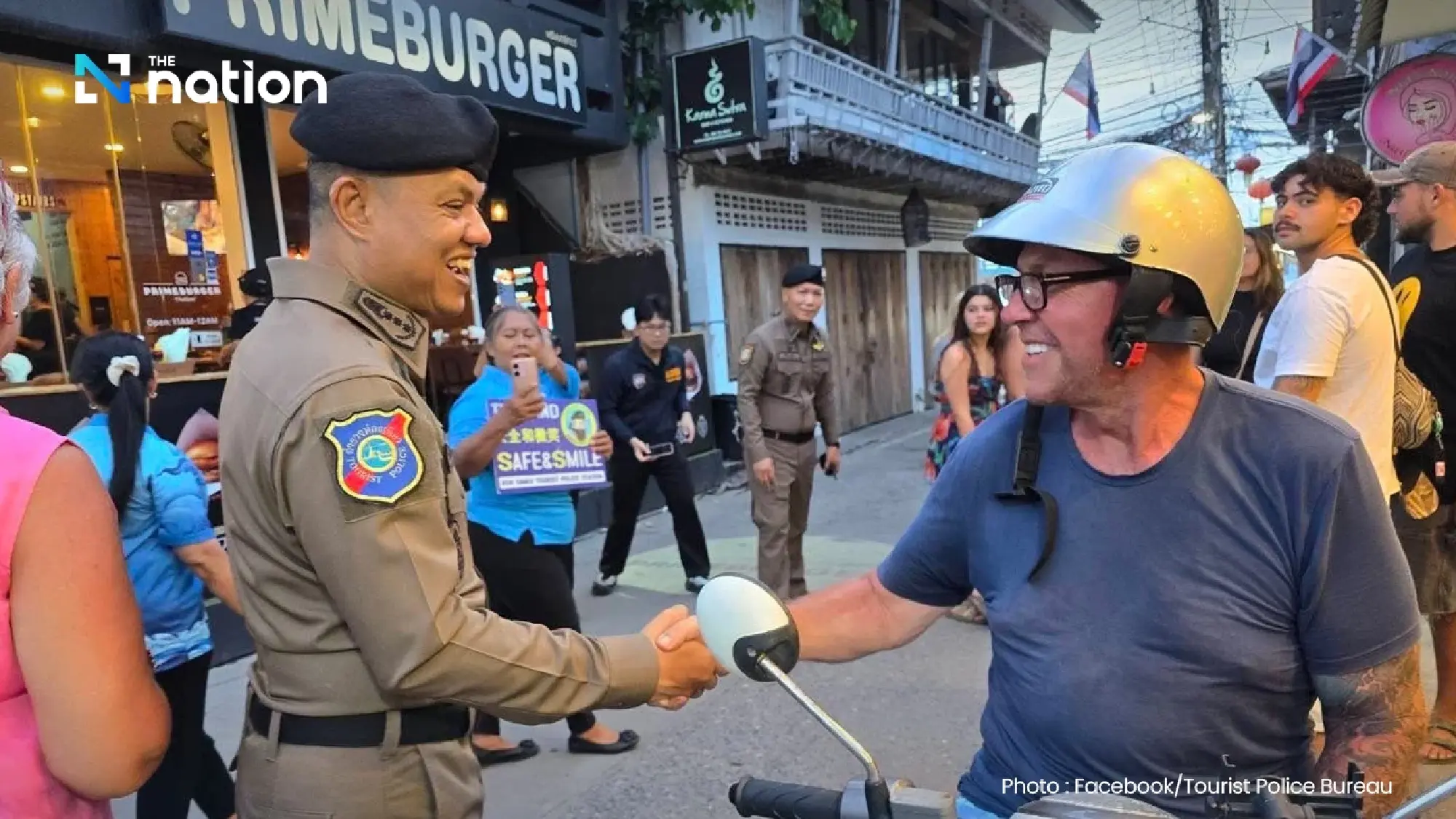
Tourism and Sports Minister Surasak Phancharoenworakul outlined measures to raise safety standards and restore Thailand’s tourism image after a series of safety incidents and assaults on foreign tourists on well-known resort islands, including Koh Samui and Koh Samet.
He confirmed that the ministry would integrate its work with administrative authorities and the Tourist Police to enforce the law strictly.
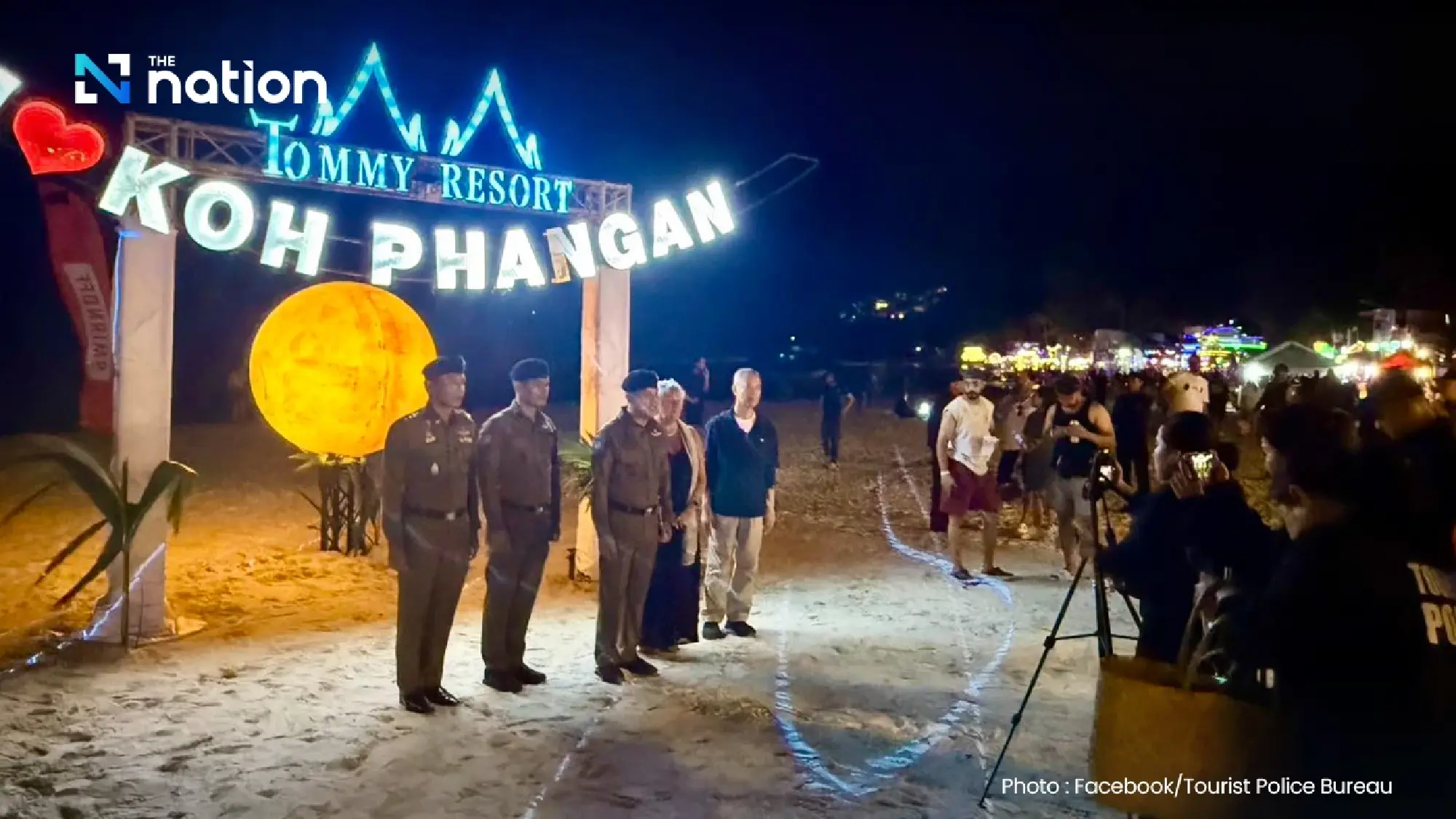
The regulatory and suppression measures will focus on three main areas:
1. Regulating tourism islands
Authorities will carry out wide-ranging inspections of shops, restaurants, hotels and public transport operators on islands to eliminate mafia-style control, especially in southern areas.
If any state official is found to have been involved, turned a blind eye or facilitated offenders, they will face legal action to the fullest extent.
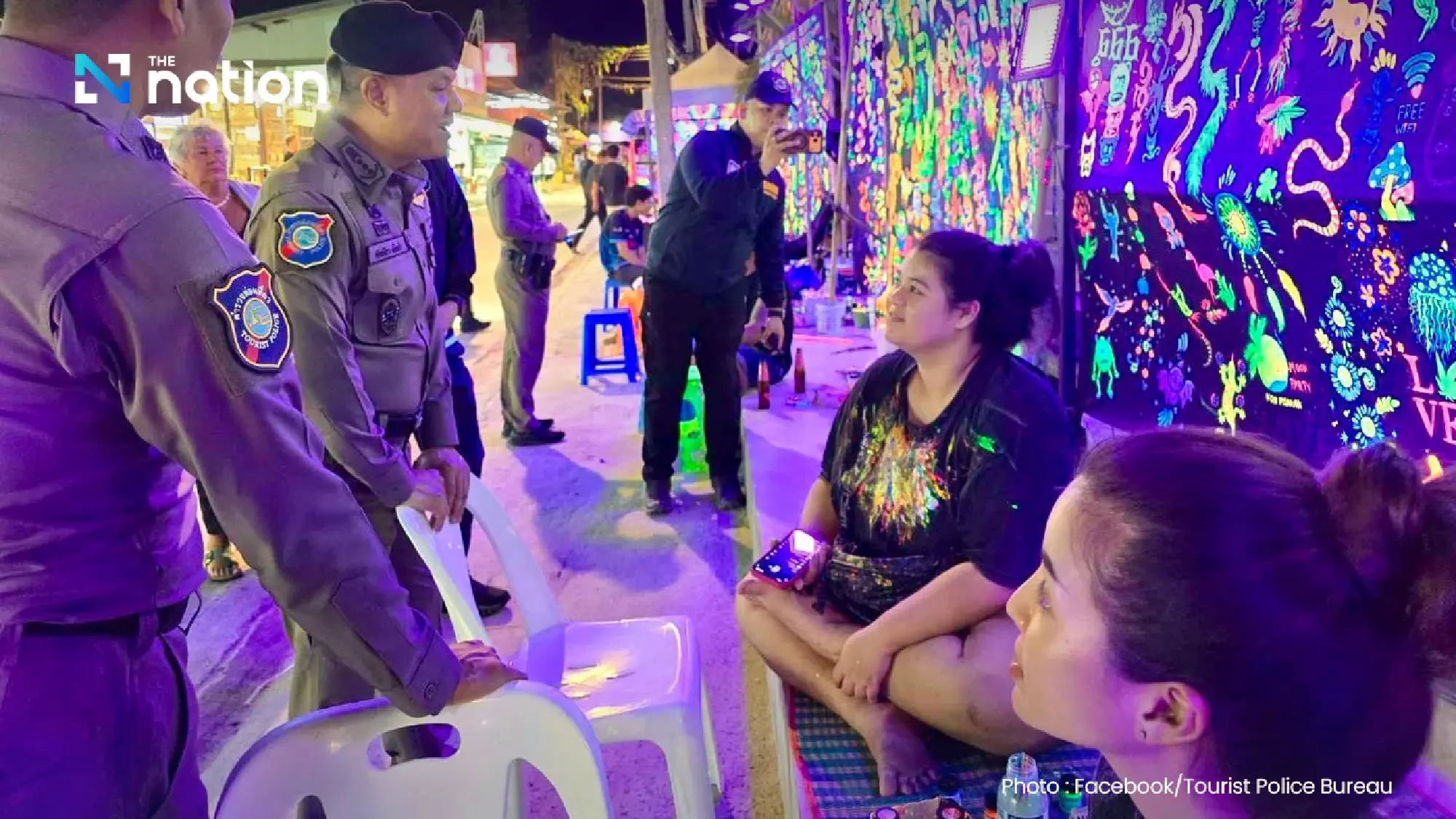
2. Cracking down on nominee businesses and foreign overstayers
The move follows the government’s tougher security policy led by Prime Minister Anutin Charnvirakul and Deputy Prime Minister Suphajee Suthumpun.
The Interior Ministry and Commerce Ministry will expand investigations into nominee businesses, including cases similar to entertainment venues in Pattaya, to prevent foreigners from exploiting Thailand and sending profits back to their home countries.
Technology will also be used to help screen and control foreigners who overstay their visas.
3. Screening quality tourists with Immigration Police
Surasak said he had recently held talks with Zhang Jianwei, Chinese Ambassador to Thailand. The Chinese embassy is ready to cooperate in helping screen and supervise its citizens so that Thailand attracts quality tourists and avoids damage to the image of both countries.
“It is time to take safety control seriously. If an ordinary person commits an offence, they must be arrested immediately. But if an operator is negligent and causes losses, they must be ordered to correct the problem in line with the law as quickly as possible,” Surasak said.
