
Canada announces retaliatory tariffs after talks with US collapse
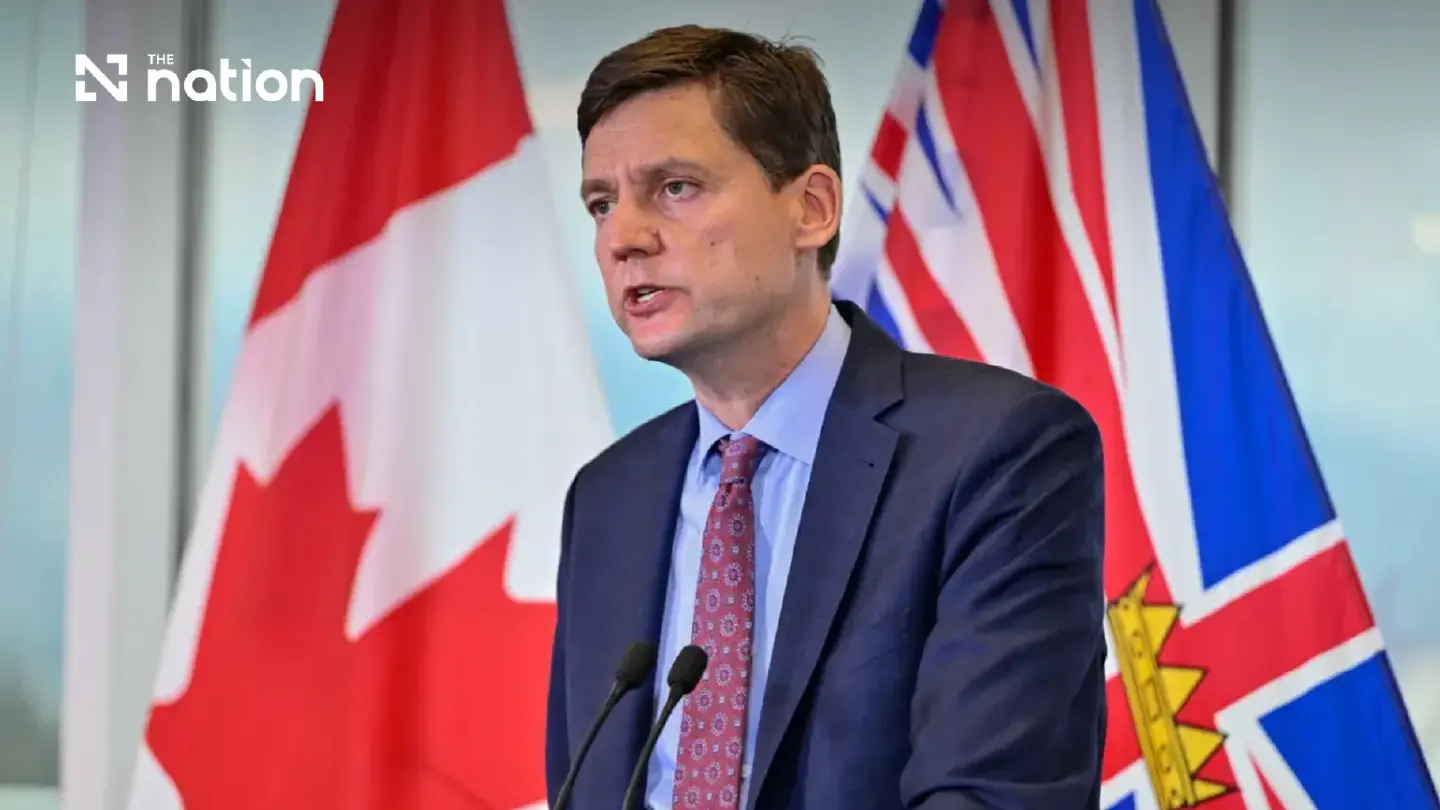


Mark Carney says the measures will take effect on September 8 and cover steel, dairy, appliances, agricultural equipment, pulp and paper, and electronics.
- Canada will impose "dollar for dollar" retaliatory tariffs on approximately $20 billion of American goods after trade negotiations with the United States collapsed.
- The new Canadian duties, which match the 50% US tariffs, will take effect on September 8 and cover products including steel, dairy, appliances, and electronics.
- The talks failed after Canada's Prime Minister deemed the US terms "uneconomic and unfair," while US officials accused Canada of making new demands and backing out of a prior agreement.
- According to the US Trade Representative, there are no immediate plans to resume negotiations, and Washington is considering further countermeasures.
Canada will answer the United States’ new 50% tariffs with matching duties on American goods after the two governments failed to conclude a trade agreement, Prime Minister Mark Carney announced on Saturday.
The Canadian tariffs will take effect on September 8 and cover steel, dairy products, appliances, agricultural equipment, pulp and paper, and electronics.
Carney said Ottawa would respond “dollar for dollar” to the US measures, which apply to about $20 billion of Canadian goods.
Explaining the decision at a news conference in Ottawa, Carney said: “In recent days, the United States proposed new terms that were uneconomic, unfair, and undermined the net benefits for Canada, and called into question the reliability of any deal. In short, they asked too much, and they offered too little.”
Before the negotiations collapsed, President Donald Trump, Carney and senior trade officials from both countries had remained in direct contact throughout the week.
Trump had postponed the tariffs by three days and declared earlier in the week: “We’ve come to a deal with Canada.”
He cautioned, however, that it was “still subject to finalisation of documents”.
US Trade Representative Jamieson Greer offered Washington’s account in a post on X early Saturday.
“Canada declined to finalise the trade deal under the terms agreed earlier this week,” he wrote.
Greer said the proposal included “significant tariff reductions on steel, aluminium, autos, and lumber” and “a historic economic and national security partnership”.
“Despite the US offer to Canada to receive the best treatment of any major exporter to our market, new demands and walkbacks of other commitments by Canada have upended the careful balance reached in the past days,” Greer said.
Greer later told Fox News’ Fox & Friends Weekend that Washington had no immediate plans to resume negotiations.
“We don’t have new talks planned with the Canadians. We’re moving forward with measures that respond to Canadian retaliation,” he said.
Greer did not specify what those countermeasures would involve.
CNN reported that the White House had not responded to its request for comment.
Canada had offered to remove retaliatory measures left from the previous year and return US alcohol to Canadian shops.
Washington, however, did not agree to what Ottawa considered “sensible economic terms” for key industries, including the automotive sector.
Carney also said Canada would never give the US “exclusive access” to critical minerals.
Possible compromises had included reductions in US duties on Canadian steel, aluminium and cars.
Steel and aluminium were facing tariffs of 50%, with officials reportedly considering cutting the rate by half.
Canadian cars were subject to 25% duties on their non-US content, allowing manufacturers to deduct the value of American-made parts.
A reduction of the vehicle tariff to 15% had also been discussed.
Canada’s restrictions on American dairy products were another unresolved issue.
The country permits US dairy imports but controls the amount entering its market through quotas.
Shipments above those limits can face prohibitively high tariffs, effectively restricting further sales.
Trump had maintained earlier in the week that the prospective agreement would be “great for our farmers”.
“Our farmers will no longer be held up because they were being hurt very badly by Canada,” he added.
The latest confrontation follows a steady deterioration in trade relations since Trump returned to office.
Washington had already imposed tariffs on major Canadian industries, including cars, steel and aluminium, prompting Canada to retaliate.
Carney scaled back the most extensive countermeasures last year, but Trump continued to object to bans imposed by Canadian provincial leaders on American alcohol.
The new tariffs cover about $20 billion of Canadian goods, representing approximately 5% of the total value of US goods imports from Canada last year.
By themselves, they are unlikely to have a significant effect on American consumers already facing high fuel prices.
The broader concern is that they could reignite the trade war.
“The new US tariffs are designed to hurt and divide us,” Carney said.
“They’re a miscalculation. They’re a miscalculation because Canadians will always take care of each other.”
In a statement on Friday, Carney said Canada would introduce “additional measures to support Canadian workers and businesses”, adding to the nearly $25 billion provided over the previous 18 months.
He said the country’s economic growth was “accelerating” and that Ottawa would “not allow any nation to determine our future”.
Trump based the new duties on a little-known provision from the 1930s, Section 338 of the Smoot-Hawley Tariff Act, which had not previously been used to impose tariffs in this manner.
The move is all but certain to face legal challenges, as have several other attempts by the administration to introduce new levies.
Unless the courts block its use, the provision could allow tariffs of up to 50% on Canada or other trading partners whenever the administration determines that they are discriminating against US commerce.
Unlike some other laws used as the administration rebuilt its tariff regime following a Supreme Court decision earlier this year, Section 338 does not appear to set a time limit.
Duties imposed under it could remain indefinitely unless Trump or a future president chooses to remove them.
The first round reaches far beyond the products at the centre of Trump’s complaints and covers almost 500 items.
Many of the goods on which the US depends most heavily on Canada have been spared for now, including energy, critical minerals and fish, although that could change.
Source: CNN
