
World Cup 2026 sparks global marketing race as brands chase football fans
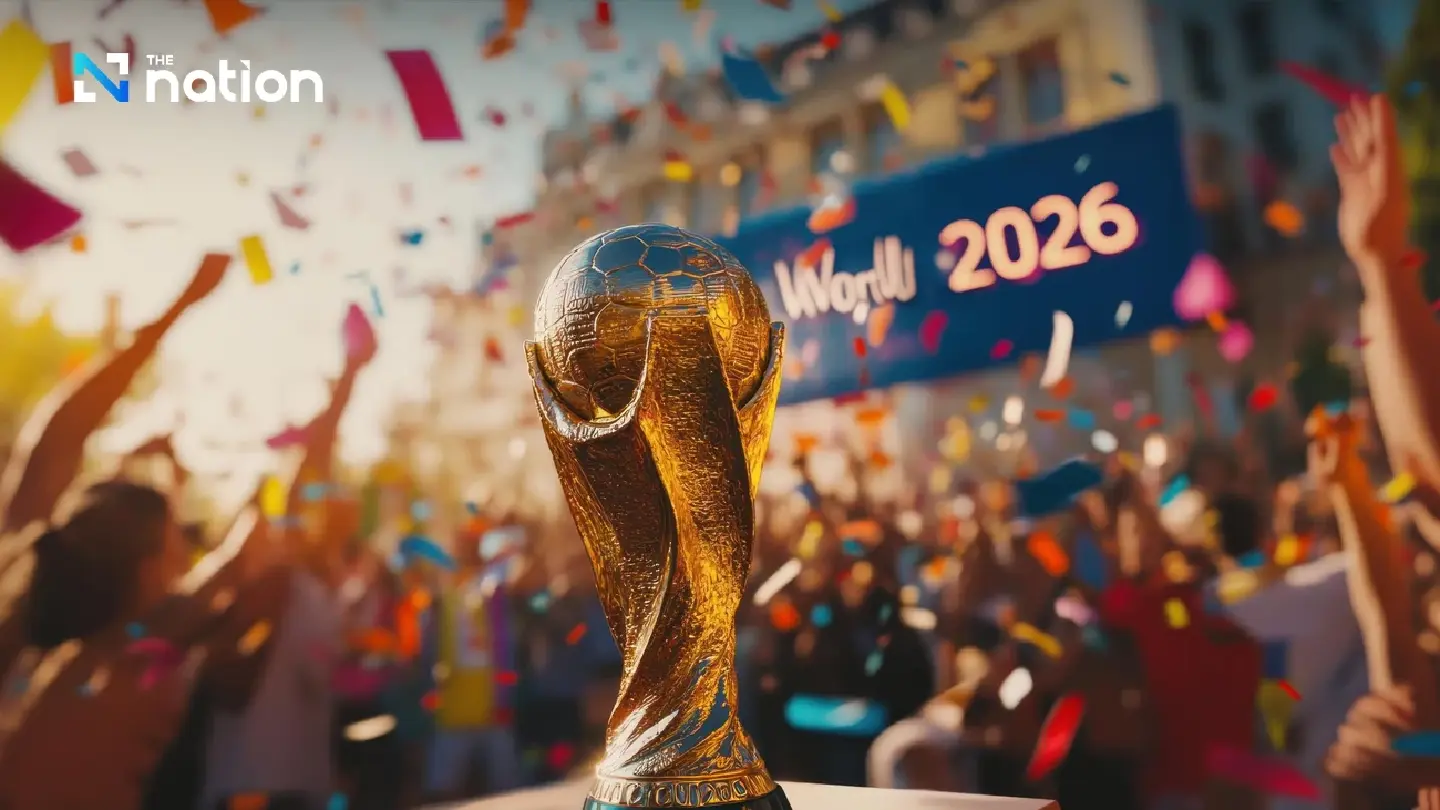


The 2026 FIFA World Cup has triggered an early marketing battle, with global brands rolling out campaigns across food, beverages, electronics and sportswear as Thai retailers wait for clarity on broadcast rights before launching major promotions.
The 2026 FIFA World Cup is still days away, but the battle for football fans’ wallets has already begun, with global brands launching campaigns across food, beverages, electronics and sportswear while Thai retailers wait for clarity on broadcast rights before rolling out major promotions.
The tournament, scheduled from June 11 to July 19 across the United States, Canada and Mexico, is being watched not only as the world’s biggest football event but also as one of the most important commercial opportunities of the year.
With the competition expanded from 32 teams to 48 teams, brands expect a larger global audience, longer fan engagement and stronger demand for products linked to match-day viewing, home entertainment and football culture.
Brands move early to capture match-day spending
Food and beverage companies are among the first to activate World Cup campaigns, aiming to turn football fever into repeat purchases, limited-edition sales and fan engagement.
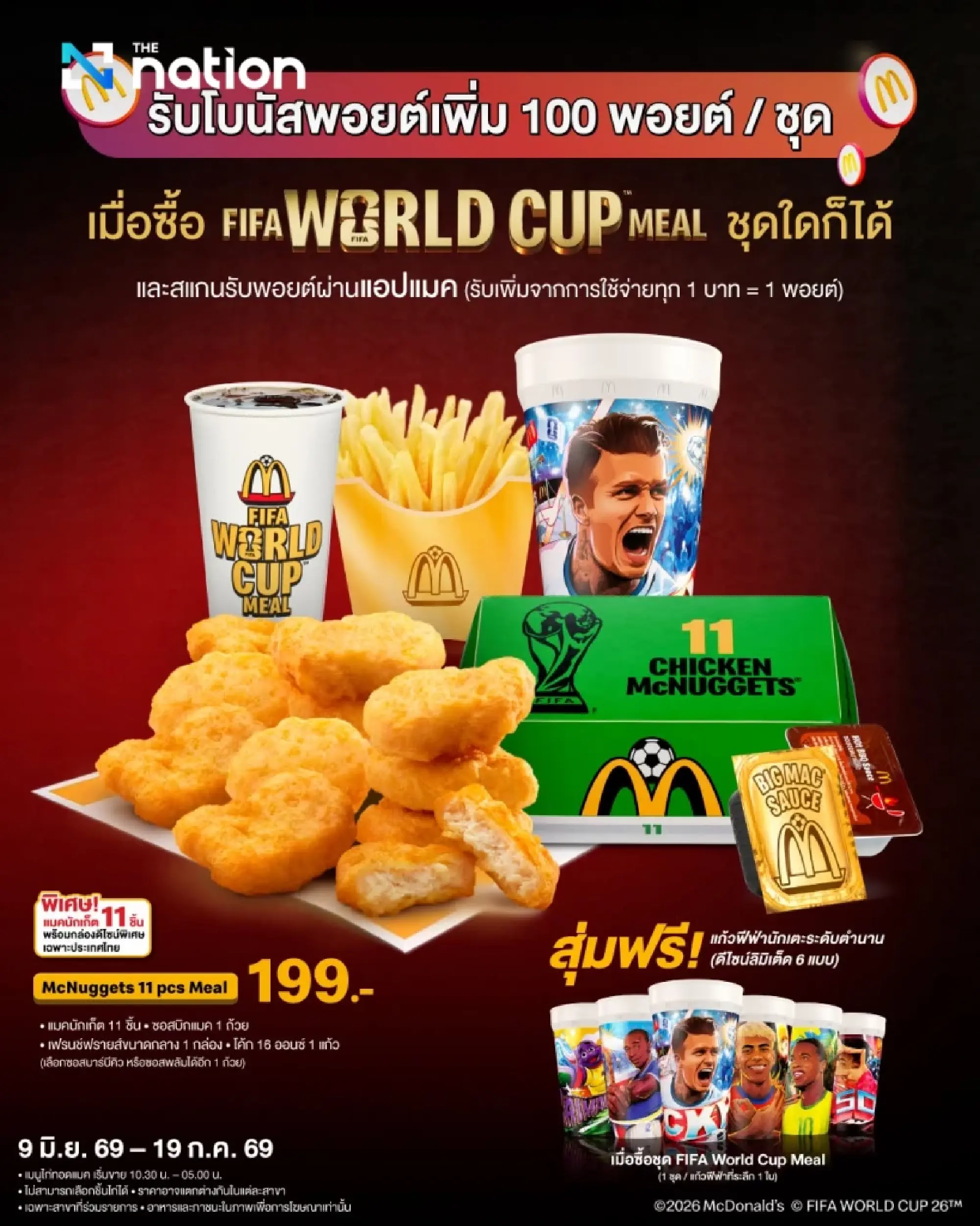
McDonald’s, an official FIFA partner, has launched its FIFA World Cup Collector’s Meal, led by nine special collectible cups inspired by key moments in football history. The campaign also uses QR codes to connect customers with digital content, while football-themed Happy Meals are being used to attract families and younger consumers.
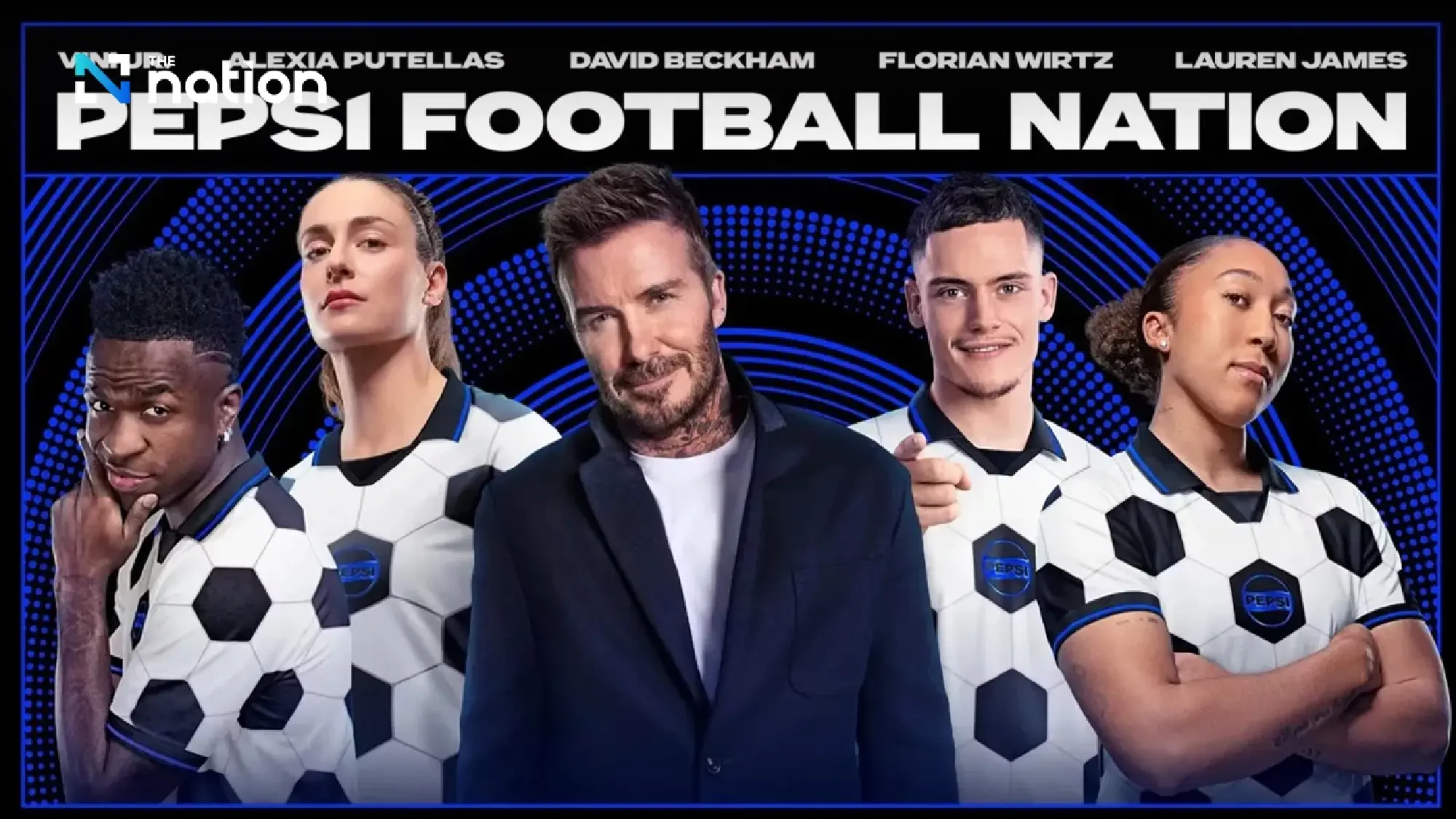
Pepsi has moved with its Football Nation campaign, built around the idea that football’s commercial value extends beyond the 90 minutes on the pitch. The campaign features football figures including Sir David Beckham, Mohamed Salah, Vini Jr, Lauren James, Alexia Putellas and Florian Wirtz, alongside celebrity chef Gordon Ramsay.
Coca-Cola has launched its global “Feel It All” campaign for the 2026 World Cup, divided into three phases: Bubbling Up, Uncanned Emotions and No Better Feeling. In Thailand, the company is using yellow-cap Coke products to run a prize campaign worth more than 11 million baht, including a football trip to New York, a Hyundai New Stargazer and Lenovo gaming products.
Beverage giants use football to build fan communities
Budweiser has rolled out its global “Let It Pour” campaign for the 2026 World Cup, featuring Erling Haaland and Jurgen Klopp as part of its effort to mark 40 years as a major official sponsor of the tournament.
The brand is expected to use fan zones, watch parties, special packaging and consumer activities to strengthen its connection with football audiences during the tournament.
Heineken, although not a direct FIFA sponsor, is continuing its football community marketing strategy. Its campaign focuses less on direct product selling and more on fan experiences, online content, watch parties and community-building activities.
The company is also promoting its Heineken Fan Volunteers platform and supporting football viewing occasions through Heineken 0.0 in global markets.
Electronics brands chase the home-viewing boom
Electronics companies are positioning the World Cup as a key sales window, especially as many consumers upgrade TVs and sound systems before major football tournaments.
Hisense, an official sponsor of the 2026 FIFA World Cup, has launched its global “Innovating a Brighter Life” campaign, focusing on smart TVs and home appliances designed to improve the football-viewing experience.
In Thailand, Hisense is running a “Shop and Win a Trip to Watch Football” campaign, offering customers a chance to attend the World Cup along with other prizes. The company is also using promotions for appliances and freezers to tap into home football parties.
Samsung is expected to benefit from rising demand for large-screen TVs, especially premium QLED and OLED models. Previous World Cup tournaments have often boosted sales of TVs sized 65 inches and above as households prepare for group viewing.
LG is also using the tournament to promote OLED TVs, premium sound systems and home entertainment packages. In Thailand, its campaign includes discounts of up to 50% on TVs and up to 40% on soundbars, along with instalment programmes and retail partnerships.
TCL is pushing its “Premium at Affordable Price” strategy, targeting consumers who want upgraded viewing technology at accessible prices. Its “TCL Match Day” campaign offers discounts on popular TV models, discount codes and 0% instalment promotions.
Nike links football with pop culture
Sportswear is another major battleground as brands compete for fans beyond the stadium.
Nike has shifted from traditional blockbuster-style advertising to building a broader online football universe. Its “Rip the Script” campaign uses a six-minute short film featuring Cristiano Ronaldo, Erling Haaland and celebrities including Kim Kardashian and Travis Scott, blending football with fashion, entertainment and music.
The brand’s “12 Weeks of Football” campaign also features global artist LISA in Polaroid-style visuals, targeting younger audiences and linking football to pop culture.
Nike is also using the tournament cycle to promote national team shirts, football boots and special collections ahead of kick-off.
Thai retailers wait for broadcast-rights clarity
While global brands have already started their World Cup marketing push, Thai retailers are still largely waiting for clarity over broadcast rights before committing to major campaigns.
Industry observers expect large retailers such as Central, The Mall Group, Lotus’s, Big C and Makro to launch promotions if the broadcast situation becomes clearer.
The categories likely to benefit most include televisions, electrical appliances, ready-to-eat meals, drinks, snacks and delivery services — all closely linked to home viewing and football gatherings.
