AirAsia, Cebu Pacific and Scoot face losses, capacity cuts and weak pricing power as fuel costs and softer demand squeeze margins
Soaring fuel prices have caused significant financial strain, resulting in net losses for carriers like Malaysia’s AirAsia and the Philippines’ Cebu Pacific, and a wider operating loss for Singapore Airlines' Scoot.
The problem was compounded by the weakening of local Southeast Asian currencies against the US dollar, which increased the cost of fuel and aircraft leases typically priced in dollars.
Budget airlines struggled to pass on the full cost to customers, as their price-sensitive traveler base limits their ability to raise fares without causing a drop in demand.
In response to the pressure, airlines are taking defensive measures such as hedging fuel costs (Cebu Pacific) and reducing flight capacity and routes (AirAsia) to protect their bottom line.
Southeast Asia’s budget airlines are hoping the worst of the fuel-price shock triggered by the Middle East conflict has passed, but pressure on margins and household finances threatens to prolong the sector’s difficult recovery.
Recent quarterly results revealed the extent of the strain. Malaysia’s AirAsia and the Philippines’ Cebu Pacific reported net losses, while the operating loss at Singapore Airlines’ budget subsidiary Scoot nearly doubled.
Attempts to recover higher fuel costs through increased fares proved insufficient, highlighting a structural weakness in the low-cost airline model.
Fuel represents a larger proportion of budget carriers’ expenses than it does for full-service airlines, while their price-sensitive customers leave little room to raise fares without weakening demand.
Currency depreciation compounded the problem. The Malaysian ringgit, Thai baht, Indonesian rupiah and Philippine peso weakened against the US dollar, increasing the local-currency cost of fuel and aircraft leases that are generally priced in dollars.
Nathan Gee, head of Asia-Pacific transportation research at BofA Global Research, said full-service airlines were better protected by strong post-pandemic demand from premium passengers.
Budget carriers benefited less because of their more basic products and smaller loyalty programmes.
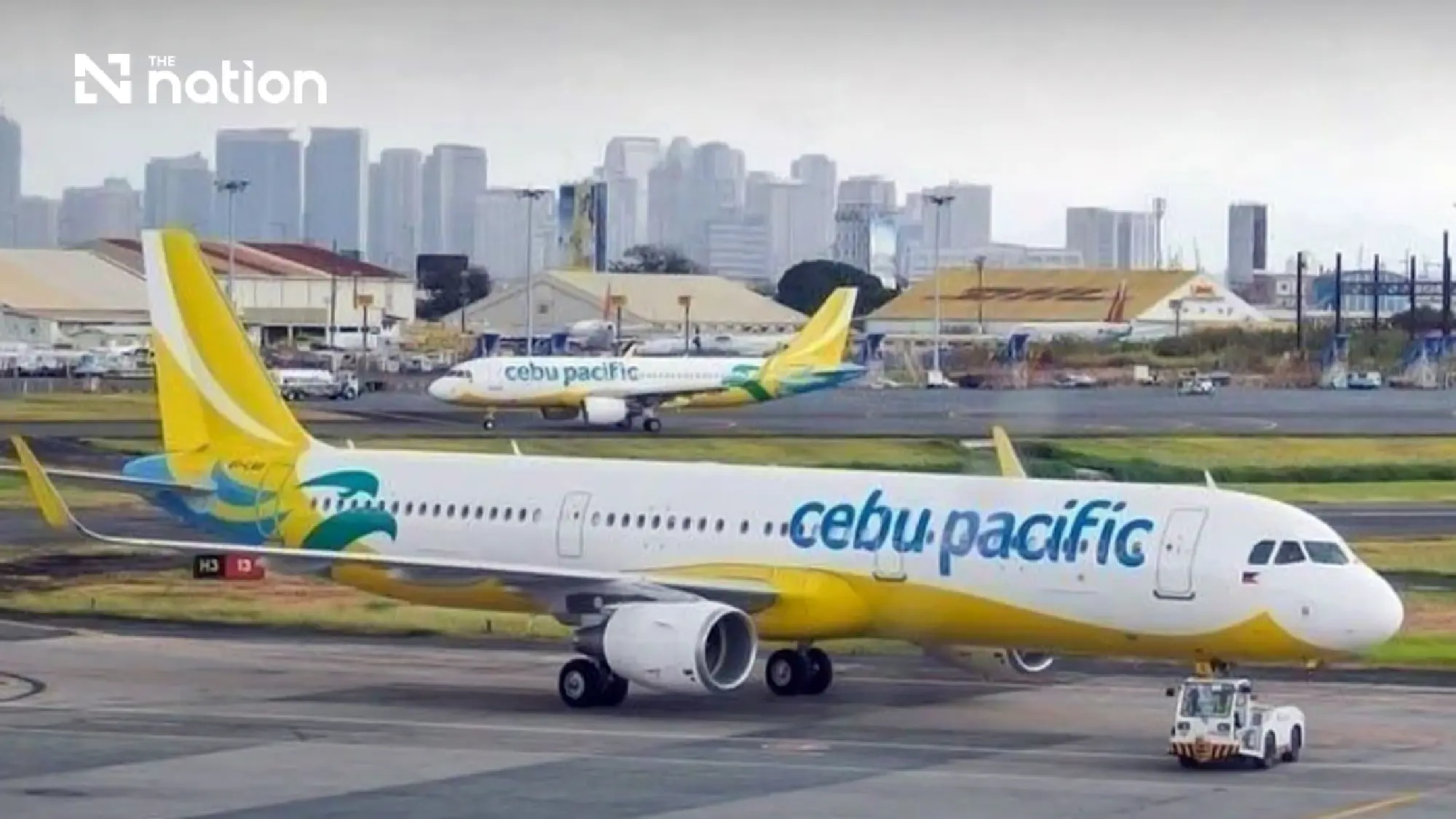
Cebu Pacific hedges against fuel pressure
Cebu Pacific chief executive Mike Szucs described the second quarter as “the most challenging operating environment Cebu Pacific has faced post-pandemic”.
The airline’s fuel expense more than doubled from a year earlier, with the effect intensified by an 8% weakening of the Philippine peso.
Cebu Pacific has hedged about 30% of its third-quarter fuel requirements at prices below US$120 a barrel, providing partial protection against further volatility.
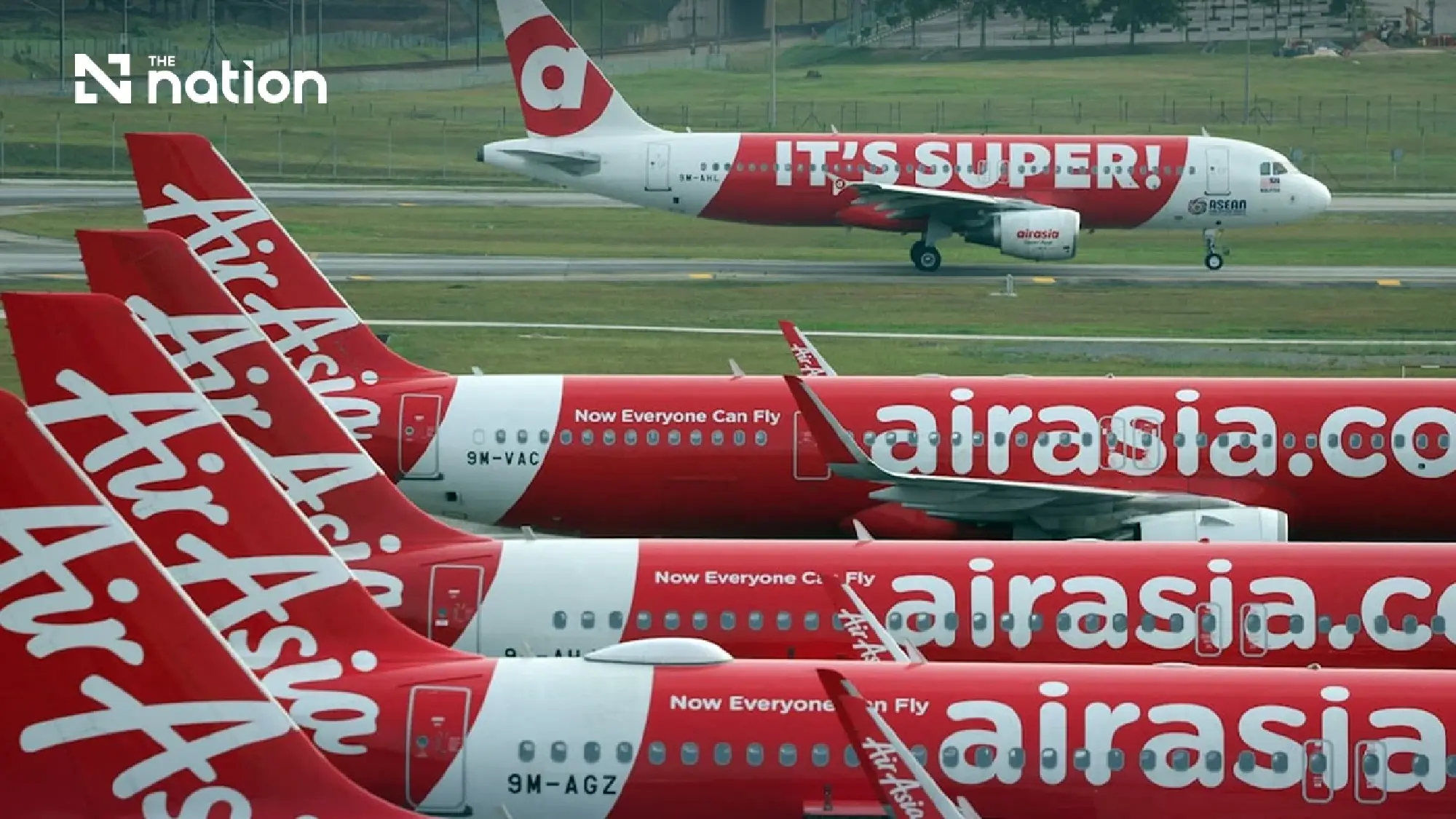
AirAsia cuts capacity ahead of fourth quarter
AirAsia is preparing for a weak third quarter, traditionally the softest period for regional travel. It plans to reduce seat capacity by 20% to 25% from a year earlier as part of a tactical effort to protect its bottom line.
The airline will return 25 older aircraft to lessors during 2026 and suspend its Sydney–Kuala Lumpur service from October as part of a broader network recalibration.
AirAsia paid an average of US$183 a barrel for jet fuel during the second quarter and recorded a net foreign-exchange loss of about US$82 million.
Chief executive Bo Lingam said the carrier was taking a deliberate approach to safeguarding profitability. AirAsia expects to restore capacity to pre-conflict levels during the fourth quarter, with forward bookings currently in line with the same period last year.
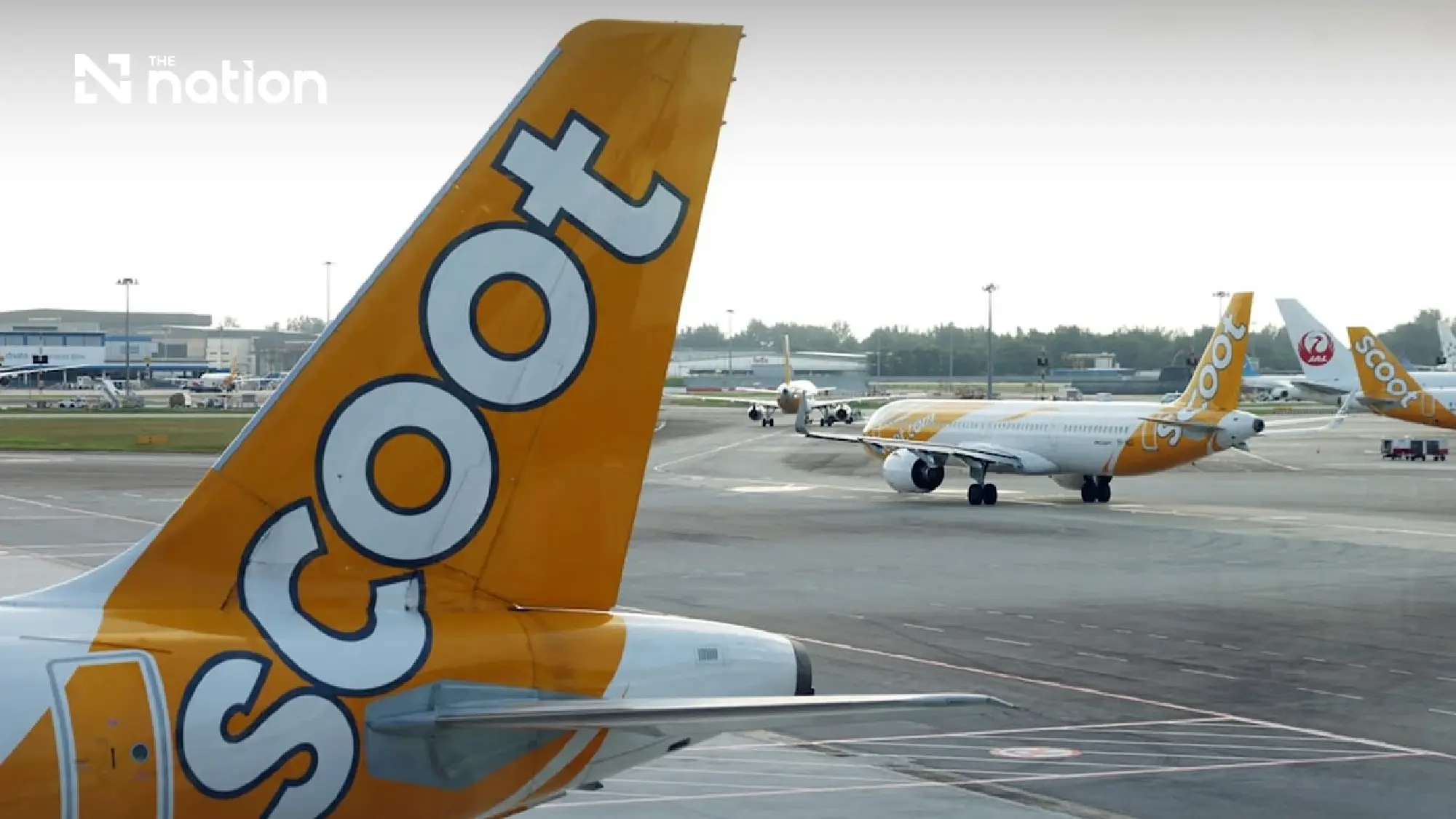
Scoot continued adding capacity in response to strong demand, but its passenger unit costs rose 21.7% during the three months to June.
Its operating loss widened to S$32 million, or US$25.2 million, from S$17 million a year earlier despite higher fares and fuel hedging by parent company Singapore Airlines.
Scoot’s break-even passenger load factor reached 100%, compared with an actual load factor of 90.6%.
Chief commercial officer Calvin Chan said fare adjustments had failed to offset the increase in fuel costs fully, while uncertainty surrounding the Middle East conflict continued to cloud the outlook.
Demand and competition cloud recovery
Gee said declining fuel prices should reduce immediate cost pressure. However, cheaper fuel could also encourage airlines to restore capacity and compete more aggressively on fares.
Intra-Asian services are particularly exposed because supplies of narrowbody aircraft are recovering more quickly than those of widebody jets. The resulting capacity growth could coincide with weaker passenger demand.
Independent aviation analyst Brendan Sobie warned that pressure on household budgets could curb travel by Southeast Asia’s middle class during the remainder of the year, including the peak travel season.
“The short-term outlook is rather bleak,” Sobie said.