
US-Iran ceasefire signed but key details still unclear
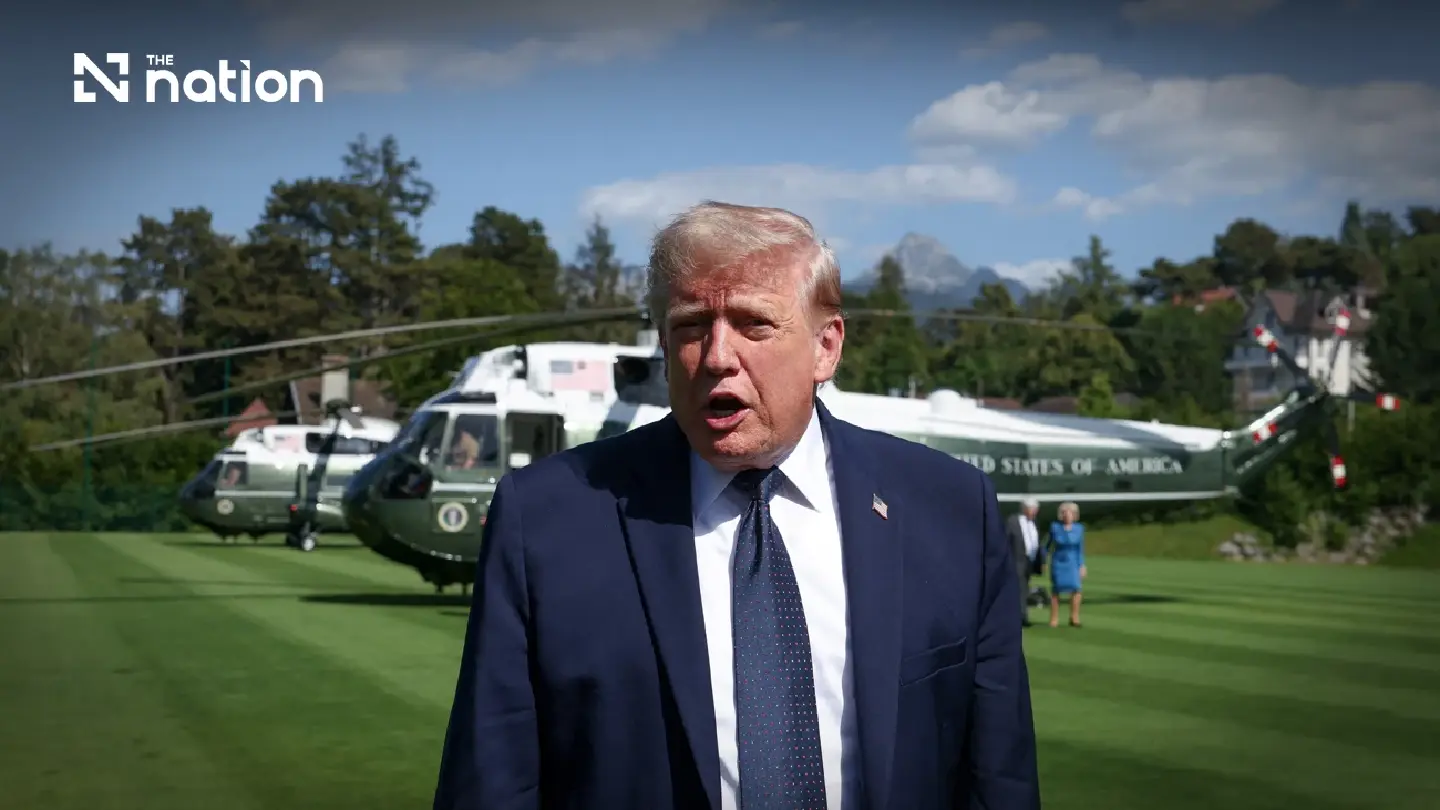


President Donald Trump says the US and Iran have signed a preliminary ceasefire agreement to reopen the Strait of Hormuz, though a permanent truce and nuclear terms remain unresolved.
- The US and Iran have signed a preliminary agreement that extends a fragile ceasefire for another 60 days and reopens the Strait of Hormuz to shipping.
- The signed document is described as a short, general memorandum, with both sides acknowledging that a permanent truce and more difficult issues, like Iran's nuclear program, still need to be negotiated.
- A key unresolved detail is the conflict in Lebanon, as US ally Israel states it will continue military operations against Hezbollah, which contradicts Iran's demand for a full halt to hostilities.
- While the deal includes a "very significant sanctions relief package" for Iran, the full terms of the agreement have not yet been made public.
US President Donald Trump said on Monday that the United States and Iran had signed a preliminary agreement to end the Gulf war, although key details have yet to be made public and both sides say a permanent truce still needs to be negotiated.
The agreement would extend a fragile ceasefire announced in April by another 60 days and reopen the Strait of Hormuz, which Iran had effectively blocked after the United States and Israel launched attacks on Iran in February.
Negotiators are expected to address more difficult issues, including the future of Iran’s nuclear programme, in the next phase of talks.
“The deal’s all signed,” Trump said after arriving in France for a G7 summit. He added that Vice President JD Vance would attend a formal signing ceremony in Geneva on Friday.
Oil prices fell to their lowest level since March 10 after news of the deal, reflecting hopes that shipping through the Strait of Hormuz would resume. The narrow waterway between Iran and Oman is a critical route for global energy markets, carrying around one-fifth of the world’s oil trade.
The agreement marks the most significant step so far towards resolving the conflict, which has killed at least 7,000 people, mostly in Iran and Lebanon, and disrupted global energy markets. However, Reuters reported that much about the pact remains unknown, including whether its terms differ substantially from the April ceasefire.
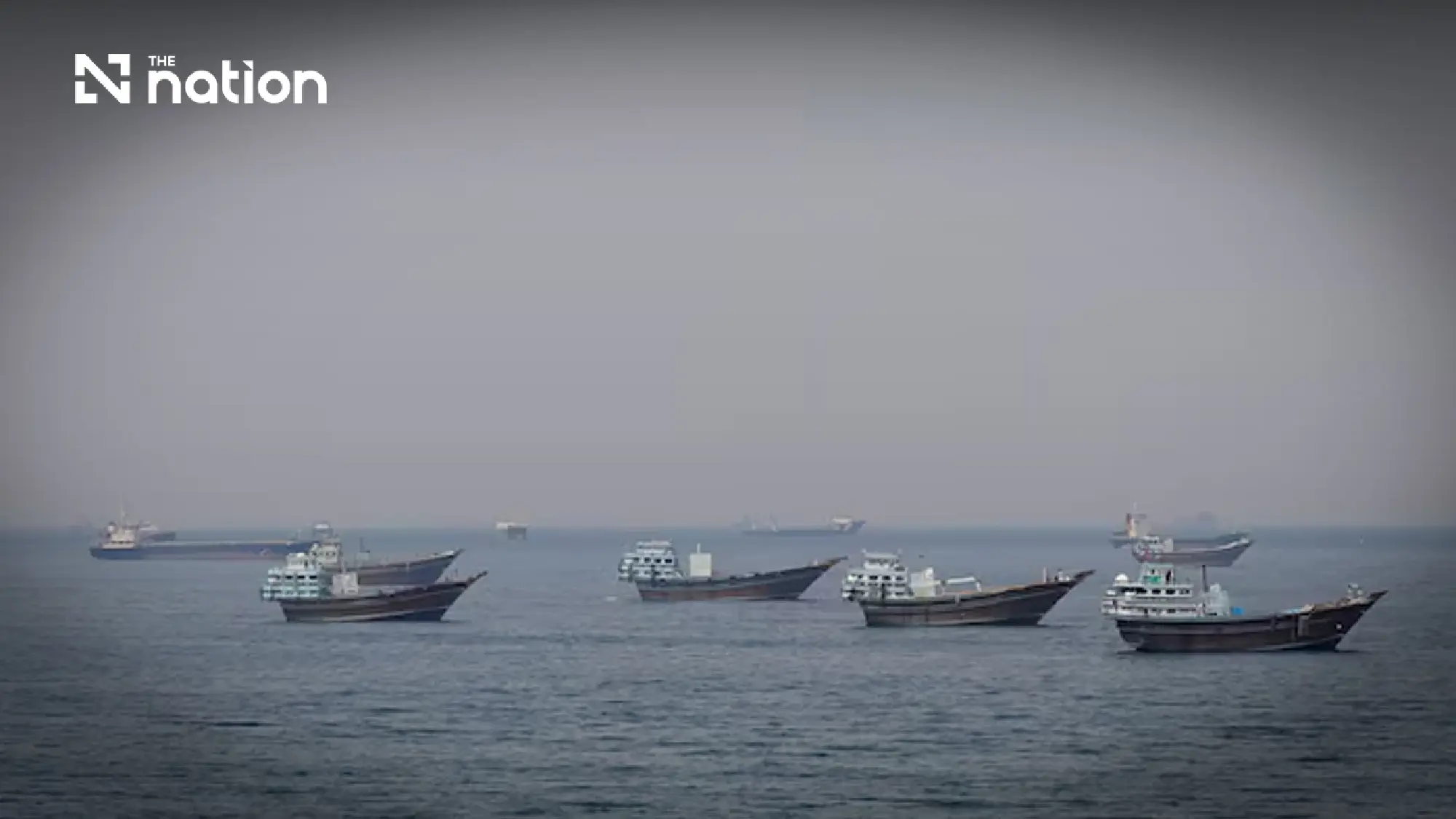
Iranian President Masoud Pezeshkian wrote on social media that the US-Iran memorandum of understanding was an “important step” towards ending the fighting, but said a final agreement for a lasting truce “has yet to take shape”.
Vance told CNN that the signed memorandum was only about a page and a half and was “a very general document”. US officials said further details would be released within the next two days. Vance said the agreement included “a very significant sanctions relief package” for Iran.
US and Iranian officials said the deal could eventually bring major economic benefits for Iran through sanctions relief, the unfreezing of foreign assets and the establishment of a US$300-billion reconstruction fund financed by neighbouring Gulf states that host US military bases.
However, US officials speaking on condition of anonymity said Iran would have to meet Washington’s demands not to build a nuclear weapon and to cut support for militias such as Hezbollah in Lebanon before receiving those benefits.
Iran agreed to sharply restrict its nuclear programme under a 2015 accord with the United States and other powers. Trump withdrew the US from that agreement during his first term, later criticising it for allowing Iran to regain access to billions of dollars in frozen assets.
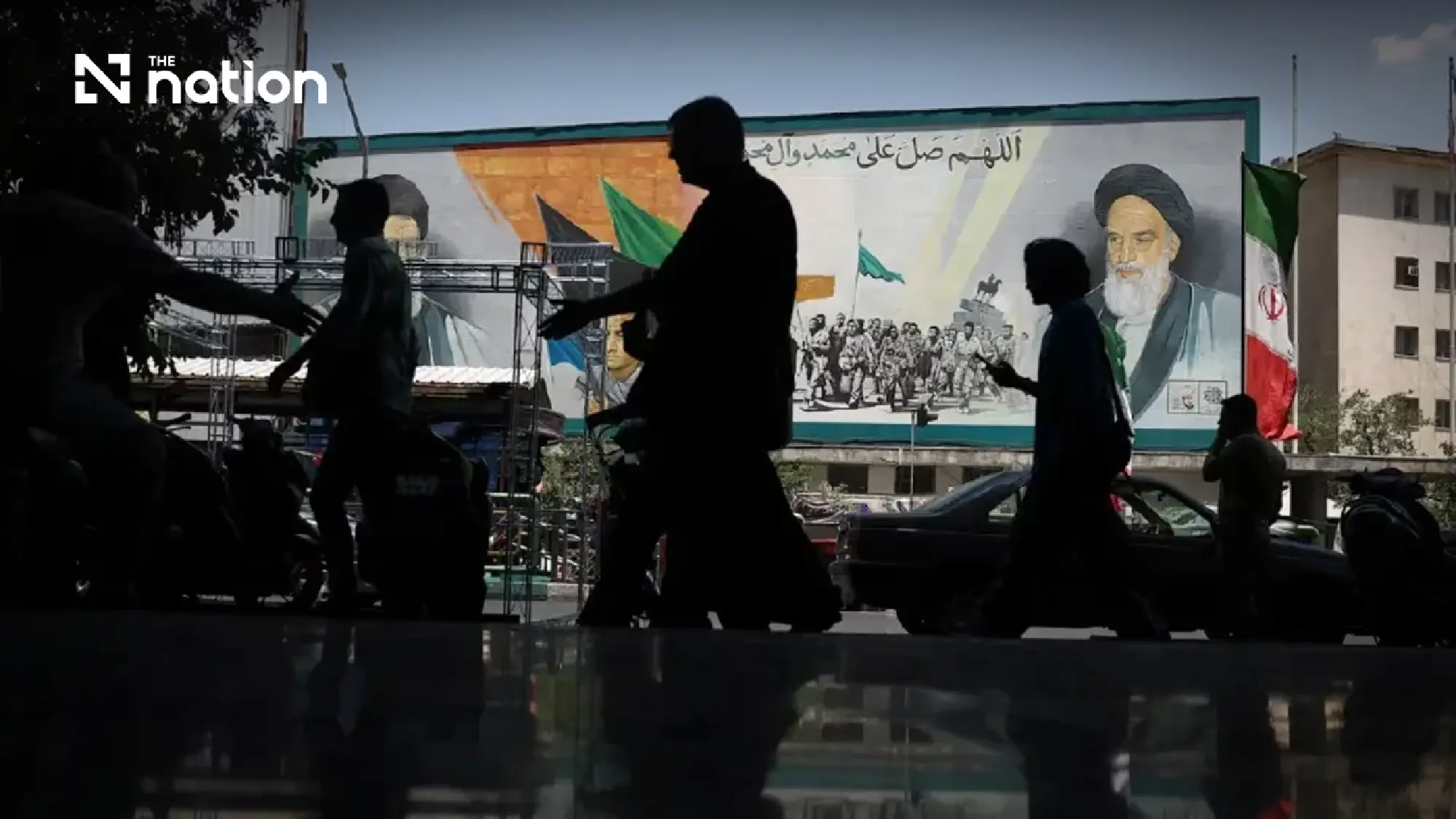
The new agreement does not resolve the fate of Iran’s enriched uranium stockpile, which Trump has said he wants destroyed or removed. Iranian officials, who have long denied seeking nuclear weapons, say they have given up little by agreeing to resume diplomatic discussions with US officials.
While the agreement would ease Iran’s grip on the Strait of Hormuz, it largely restores the pre-war status quo. Shipping companies have indicated that traffic will resume only when safety is assured.
Iran has suggested that it will retain control of the strait together with Oman. The United States said the strait would remain open toll-free for 60 days and that it would expect the same provision to be included in any final agreement.
Netanyahu says he ‘stood firm’
Fighting between Israel, a US ally, and the Iran-backed Hezbollah militia in Lebanon remains a major sticking point.
Iran has said the deal requires a full halt to hostilities in Lebanon. However, Israeli Prime Minister Benjamin Netanyahu said Israel would keep its forces in southern Lebanon and retain the right to respond to Hezbollah attacks.
“Iran wanted us to withdraw from it, but I stood firm,” Netanyahu said at a news conference. He acknowledged that he and Trump had differences over the conflict, while stressing that Israel had not directly taken part in the US-Iran peace talks.
A US official said Israel’s withdrawal from Lebanon, which it invaded in March after Hezbollah joined the war, was not a condition of the US-Iran deal. Disagreement over whether Lebanon is covered by the agreement was also a point of contention in the April ceasefire.
Security sources said fighting in Lebanon had eased after the deal was announced, but had not stopped entirely. Lebanese state media reported that an Israeli drone struck a car in the southern Lebanese town of Kfar Tebnit, killing the driver. Netanyahu said Israeli forces had killed four “militants”.
Iranian Foreign Minister Abbas Araqchi said Israeli attacks must stop immediately.
Privately, Israeli officials have reacted negatively to the deal. One senior Israeli official told Reuters on condition of anonymity that the agreement was “terrible for Israel”, adding that this view was shared across the government.
Despite Trump’s announcement, the agreement leaves several of the most sensitive issues unresolved — including Iran’s nuclear programme, its missile capabilities, its regional alliances and the future of Israeli operations in Lebanon.
For now, the deal offers a pathway towards de-escalation and the reopening of a vital oil route, but whether it can become a lasting peace agreement remains uncertain.
Source: Reuters
