
Oil prices plunge as US-Iran deal eases Hormuz fears
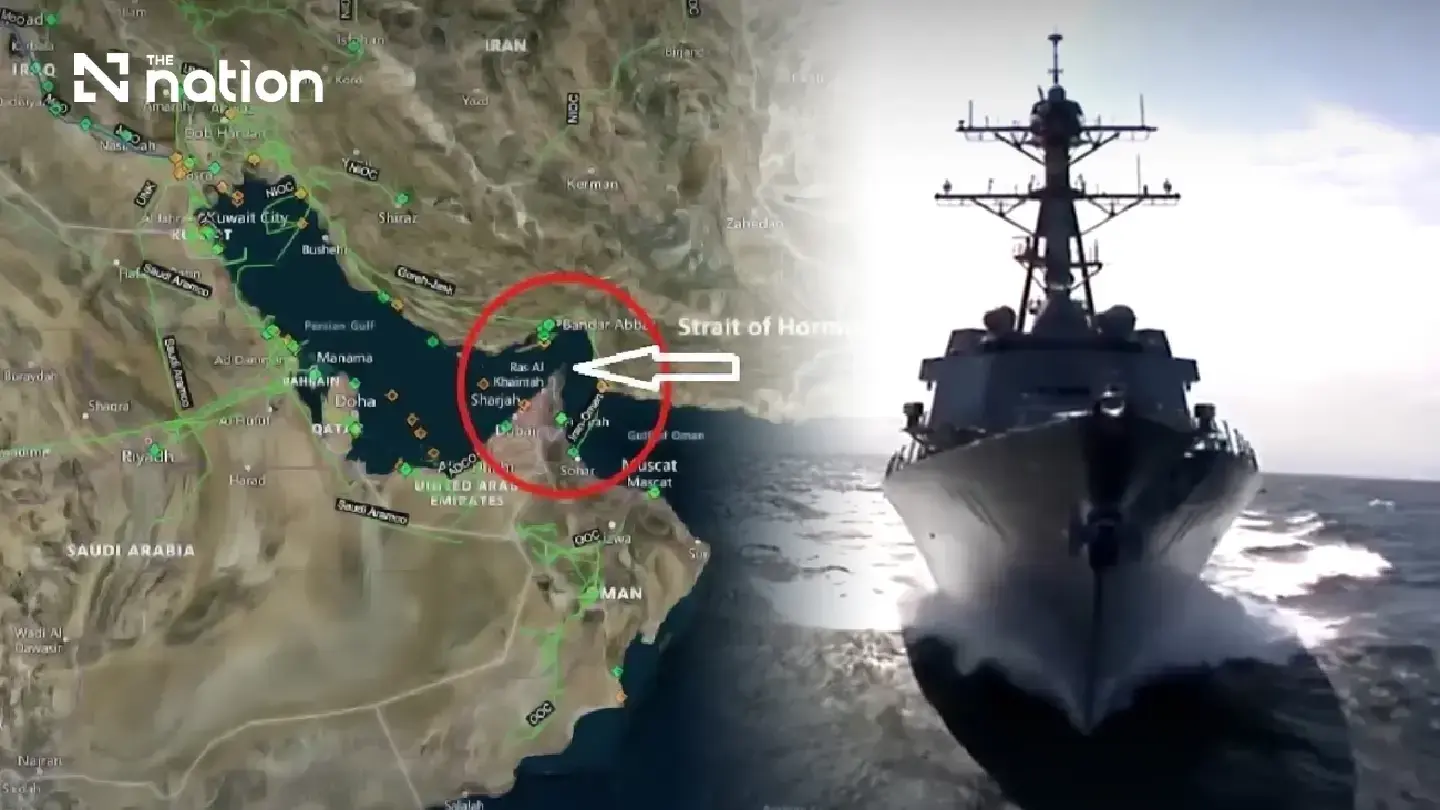


WTI crude fell nearly 6% to a three-month low after a reported US-Iran deal raised hopes for the reopening of the Strait of Hormuz
- Global oil prices dropped sharply, with U.S. benchmark WTI crude falling nearly 6% and Brent crude over 5% to their lowest levels in approximately three months.
- The price plunge was a direct reaction to a reported agreement between the U.S. and Iran intended to end the conflict between the two nations.
- The deal eased fears over energy shipments through the critical Strait of Hormuz and raised expectations that Iranian oil exports would resume, increasing global supply.
Global oil prices fell sharply on Tuesday after a reported US-Iran agreement to end the conflict between the two countries eased fears over energy shipments through the Strait of Hormuz and raised expectations that Iranian oil exports could resume.
West Texas Intermediate crude, the US benchmark, dropped almost 6% to its lowest level in about three months, while Brent crude fell below US$79 a barrel as traders moved quickly to price in lower geopolitical risk in the Middle East.
WTI crude for July delivery fell US$4.70, or 5.82%, to close at US$76.05 per barrel on the New York Mercantile Exchange.
Brent crude for August delivery dropped US$4.21, or 5.06%, to settle at US$78.96 per barrel.
The fall took WTI to its lowest close since March 4, while Brent reached its lowest level since March 2.
The decline came after the United States and Iran were reported to have reached a peace agreement intended to end the conflict and allow oil tankers to move through the Strait of Hormuz again.
The waterway is one of the world’s most important energy routes, and any disruption to shipping there can quickly affect global crude prices, fuel costs and investor sentiment.
Iranian Foreign Minister Abbas Araghchi was quoted as saying that talks between Iran and the United States on a final agreement would begin on Friday, June 19, after both sides formally signed a memorandum of understanding aimed at ending the conflict.
According to the report, the negotiations will be divided into two stages.
The first stage covers the memorandum of understanding, including issues linked to ending the war, the Strait of Hormuz, the US maritime blockade of Iran, frozen Iranian assets and reconstruction after war damage.
The second stage is expected to involve 60 days of negotiations aimed at reaching a final agreement on Iran’s nuclear programme and the lifting of sanctions against Tehran.
US President Donald Trump was quoted as confirming that the United States and Iran had signed the memorandum of understanding to end the war. He said the Strait of Hormuz would be fully reopened to shipping on Friday, June 19, and that the agreement would prevent Iran from obtaining nuclear weapons.
A US official was also cited as saying that the agreement would allow Iran to sell oil immediately once the deal was signed. The arrangement would also extend a fragile ceasefire for another 60 days and reopen the Strait of Hormuz.
Despite the sharp drop in prices, investors remain cautious because the recovery of shipping and energy exports may take time. Analysts have warned that the movement of goods and energy supplies could require several weeks to return to normal, even if the political agreement proceeds as planned.
The report also noted that Hezbollah, the Iran-backed group in Lebanon, had expressed confidence that Iran would not sign a final nuclear agreement unless Israel withdrew its troops from Lebanon, underlining the wider regional complications still surrounding the negotiations.
Markets are now watching the next US crude inventory report from the Energy Information Administration, due on June 17, for a clearer signal on domestic demand trends.
For energy-importing countries, the drop in crude prices could help ease pressure on fuel costs if the decline is sustained. However, the market outlook remains dependent on whether the US-Iran agreement holds, how quickly the Strait of Hormuz returns to full operation and whether Iranian oil exports can resume without further disruption.
